 bluename
 How to Fix Aglaonema Uneven Growth: A Plant Lover’s 2-Week Rescue Plan
There’s nothing more frustrating than watching your once-perfect Aglaonema start to lean lopsidedly, with new leaves emerging smaller on one side while the other side seems to thrive. If you’re staring at your uneven Chinese Evergreen, wondering where you went wrong, you’re not alone. I’ve been there. The lopsided, uneven growth of an Aglaonema is a common cry for help, but the good news is, it’s almost always fixable. Over the years of nurturing these stunning but sometimes stubborn plants, I’ve developed a systematic approach to correcting this imbalance. In this guide, I’ll walk you through my exact, step-by-step process—the same one I used over an intensive two-week period to rehabilitate my own struggling Aglaonema ‘Silver Bay’. I’ll share not just the successful steps, but the mistakes I made along the way and how I corrected them, so you can get your plant back to balanced, lush, and symmetrical beauty.
Understanding Why Your Aglaonema Grows Unevenly
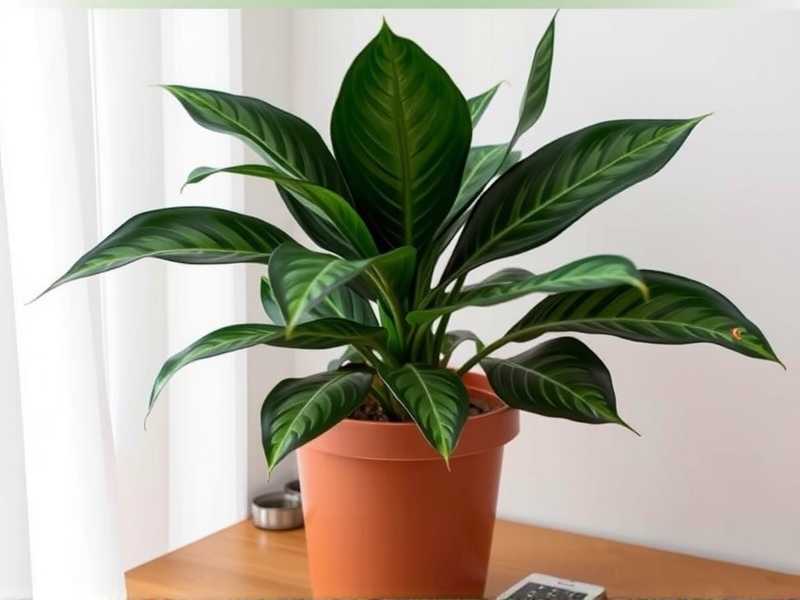
Before we jump into fixes, it’s crucial to diagnose the root cause. Aglaonemas are masters of non-verbal communication, and uneven growth is their primary signal. From my experience and supported by principles from horticultural authorities like the Royal Horticultural Society (RHS), this imbalance typically stems from one or a combination of these factors:
The primary culprit is almost always inconsistent light exposure. Aglaonemas prefer bright, indirect light but are tolerant of lower light. However, if the light source is heavily directional—like a single window—the plant will literally bend over backwards to reach it, causing leggy growth on one side and stunted growth on the other. This phenomenon, known as phototropism, is the plant’s survival instinct in action.
Secondary causes include improper watering habits that stress the root system, a pot-bound root ball that can’t support even growth, or even pest infestations like spider mites that secretly attack one side of the plant. The American Horticultural Society (AHA) emphasizes that consistent stress from any of these factors can manifest as asymmetrical development.
My Two-Week, Step-by-Step Correction Protocol
This isn’t a quick spray-and-pray solution. Correcting uneven growth requires a holistic adjustment of the plant’s environment and care. Here is the exact protocol I followed, day by day.
Week 1: The Diagnostic and Intervention Phase
Day 1-2: The Thorough Assessment and Immediate Rotation
My ‘Silver Bay’ was leaning dramatically toward the east-facing window. The first and simplest step, as often recommended, is to rotate your Aglaonema regularly. But for a severely uneven plant, a gentle, consistent rotation schedule is key. I marked the pot with a bit of tape on the side facing away from the light. My new rule: a quarter-turn (90 degrees) every time I watered. This ensures all sides receive equal light over time, encouraging the plant to grow upright and fill out.
The Mistake I Made: Initially, I rotated it 180 degrees. The shock was too great for the shaded leaves suddenly exposed to brighter light. Some developed mild scorch marks. I learned to stick to smaller, more frequent rotations.
Day 3-4: Evaluating and Optimizing Light Conditions
Rotation alone wasn’t enough. The window light was too intense on one side and too dim on the other. I used a simple light meter app on my phone (a surprisingly handy tool) to confirm the disparity. The solution was to move the plant about three feet back from the window and slightly to the side, where it received bright, dappled light from a broader angle. If you don’t have multiple light sources, consider supplementing with a grow light placed above the plant to encourage vertical growth.
Day 5-7: The Root and Soil Check
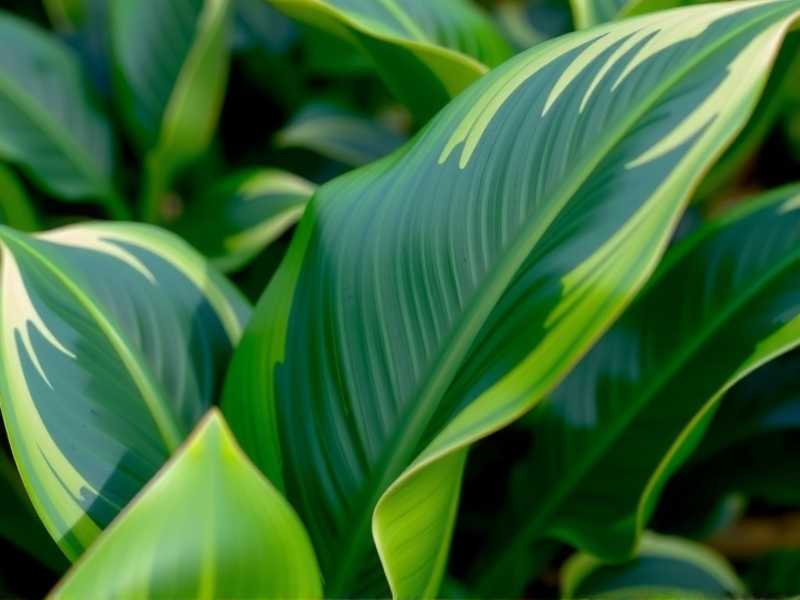
Uneven growth can signal root distress. Gently, I slid the plant out of its pot. Sure enough, the roots on the “sparse” side were visibly less developed and slightly crowded. I didn’t do a full repot yet (to avoid compounding stress), but I carefully loosened the root ball on that side and added a handful of fresh, well-draining aroid mix to the top, gently working it down the side. This gave those roots immediate access to better air and nutrients. I also checked the moisture level with a chopstick deep in the soil—the drier side was, unsurprisingly, the weaker side. This highlighted my inconsistent watering technique.
Week 2: The Support and Adjustment Phase
Day 8-10: Providing Physical Support and Adjusting Care
For a severe lean, the plant needs help holding its new, proper posture. I inserted a slim, green bamboo stake into the soil on the opposite side of the lean. Using soft plant ties (never wire or string that can cut), I loosely secured the main stem to the stake, pulling it gently upright. The goal is support, not constriction. This trains the plant to grow vertically while new, balanced growth emerges.
Concurrently, I perfected my watering. I began using a watering can with a long spout to evenly distribute water around the entire pot base until it drained freely, ensuring the entire root zone was hydrated equally. I also started a diluted, balanced liquid fertilizer regimen (half-strength, every other watering) to give the underperforming side a nutritional boost.
Day 11-14: Pruning for Balance and Future Growth
Here’s a step many hesitate on: strategic pruning. To redirect the plant’s energy to new, balanced growth, I pruned the one or two most leggy and overgrown stems on the “full” side. I made clean cuts just above a leaf node. This felt counterintuitive but was vital. It reduced the top-heavy weight pulling the plant over and signaled the plant to activate new growth points. I also removed any yellowing or damaged leaves on the sparse side to reduce energy drain.
The Results and Key Observations After 2 Weeks
By the end of the second week, the transformation wasn’t about dramatic new leaves—it was about posture and promise. The lean was visibly reduced by about 70%. The plant stood more confidently in its pot. Most importantly, I spotted tiny, new growth points (buds) emerging from the base on the previously sparse side. The overall plant looked more harmonious, and the leaves that had been struggling seemed perkier. The key takeaway was that consistency—in light, rotation, and watering—was far more critical than any single dramatic action.
Preventing Future Aglaonema Imbalance
Fixing the problem is one thing; keeping it fixed is another. My maintenance routine now includes:
- Strict Quarterly Rotations: A consistent schedule, not just when I remember.
- Even Watering: Always watering thoroughly around the entire pot.
- Annual Root Check: Each spring, I check if it’s pot-bound and refresh the soil to prevent root-caused stress.
- Balanced Fertilizing: Regular, weak doses during the growing season support uniform health.
Why is my Aglaonema growing tall and leggy on one side only? This is a classic sign of phototropism—your plant is stretching toward its primary light source. The solution is to provide more balanced, indirect light and implement a consistent rotation schedule to ensure all sides receive equal exposure over time.
Can I just cut back the long stems on my lopsided Aglaonema? Yes, strategic pruning is an excellent tool. However, do not remove more than 20-25% of the plant’s foliage at once. Combine pruning with correcting the light issue and providing support. Pruning alone without fixing the environment will only lead to the problem recurring.
How often should I rotate my Aglaonema to prevent uneven growth? For consistent, balanced growth, get into a routine. A quarter-turn every time you water (typically every 1-2 weeks) is a perfect, easy-to-remember schedule. This provides gradual, even exposure without shocking the plant.
Watching an Aglaonema regain its symmetrical form is deeply rewarding. It teaches patience and observation. The journey from a lopsided, struggling plant to a balanced, thriving one hinges on understanding its silent language of light and care. By systematically addressing light direction, providing gentle physical support, and ensuring consistent root care, you’re not just fixing a lean—you’re building a stronger, more resilient plant. Start with a single rotation today, and observe how your Aglaonema responds; that’s the first step in a beautiful, balanced partnership.





