 bluename
 How to Care for Aglaonema With Multiple Stems: A Grower's Complete Guide
I used to think my single-stemmed Aglaonema, or Chinese Evergreen, was the pinnacle of easy-care houseplant success. That was until I brought home a lush, bushy specimen bursting with multiple stems. Suddenly, the old rules didn't seem to apply. The plant looked magnificent, but I was secretly overwhelmed. How do you water this dense cluster properly? Why are some stems taller than others? Is it supposed to look this crowded? If you're holding a beautiful, multi-stemmed Aglaonema and wrestling with similar doubts, you're in the right place. I've been through the trial and error so you don't have to. Caring for a multi-stemmed Aglaonema isn't just about keeping it alive—it's about understanding its unique structure to help it thrive. Over the next few weeks, I documented my entire process, from initial assessment to long-term maintenance, and I'm here to share every step, every stumble, and every solution.
Understanding Your Multi-Stemmed Aglaonema's Unique Needs
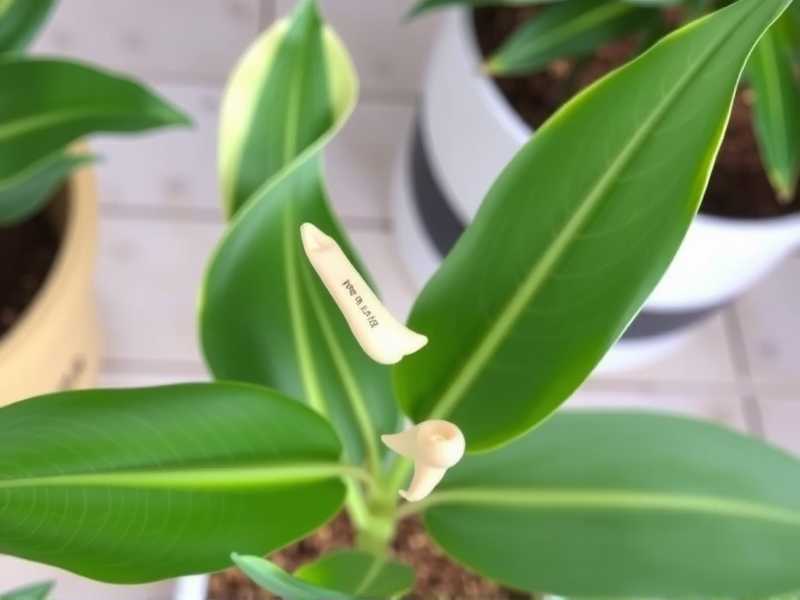
First, let's clarify what we're dealing with. A multi-stemmed Aglaonema isn't a single plant with one root system and many branches, like a tree. It's more like a natural colony. Each visible stem often grows from its own individual shoot or "crown" at the soil line, clustered together in the same pot. This dense growth is what gives it that full, desirable appearance. However, this structure creates a microclimate. The center of the plant receives less air circulation and light, and the root mass is more complex. The Royal Horticultural Society (RHS) notes that plants with dense foliage are more susceptible to fungal issues in stagnant air, making understanding their architecture the first step in proactive care. My initial mistake was treating it like my solitary Aglaonema. I quickly learned it needed a tailored approach.
Essential Care Routine for a Thriving Multi-Stemmed Plant
Mastering the basics of light, water, and soil is non-negotiable. But with multiple stems, the execution of these basics needs extra finesse.
Finding the Perfect Light Balance
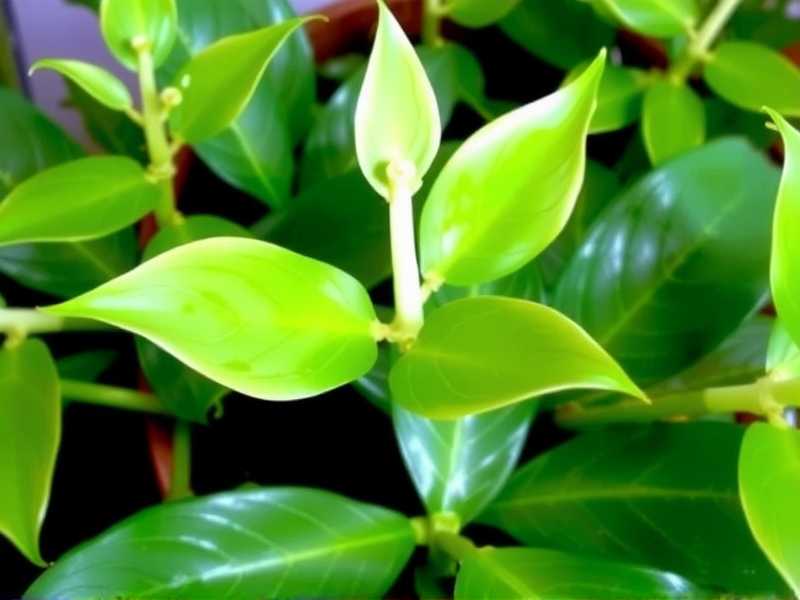
Bright, indirect light is the golden rule. But for a bushy plant, you must ensure light penetrates the outer foliage to reach the inner stems. I placed mine about three feet back from a north-east facing window. After two days, I noticed the stems on the window-side were perky, but the inner and far-side leaves seemed to stretch slightly. This was my first "aha" moment. I started a simple routine: every time I watered, I gave the pot a gentle quarter-turn. This small action ensures all sides of the plant receive equal light over time, promoting even growth and preventing the plant from becoming lopsided. After two weeks of consistent rotating, the overall posture of the plant was noticeably more uniform.
The Art of Watering a Dense Root Ball
This was my biggest challenge and where I made my most critical error. I watered based on the surface soil, which dried quickly. I assumed the whole pot was dry and watered thoroughly. A week later, the outer leaves began to yellow. Upon investigation, I found the core of the root ball was still soggy. The dense foliage had slowed evaporation at the soil center. The solution? I invested in a simple moisture meter. Now, I insert the probe deep into the pot, near the center and between stems, to get a true reading. I only water when the meter reads "dry" at that deep level. According to the American Horticultural Society's (AHA) guide to houseplant care, "overwatering is a function of frequency, not volume." So when I do water, I do so thoroughly until it runs from the drainage holes, ensuring the entire root mass is hydrated, but I wait much longer between sessions. This single change stopped the yellowing completely.
Choosing the Right Soil and Pot
Drainage is paramount. A standard potting mix retains too much moisture for the dense core of a multi-stemmed Aglaonema. I repotted mine using a mix of 50% high-quality indoor potting soil, 30% perlite, and 20% orchid bark for aeration. The pot must have excellent drainage holes. I also learned that while these plants like to be slightly root-bound, a pot that's too small for multiple competing root systems will stunt growth. A good rule is a pot that gives you about an inch of space between the root ball and the pot's edge on all sides.
Advanced Maintenance: Pruning and Propagation
How to Prune a Multi-Stemmed Aglaonema
Pruning isn't just about aesthetics; it's about health and balance. My goal was to encourage bushier growth and remove any struggling material. I targeted two types of stems: any leggy stems with long sections between leaves, and any smaller, weaker inner stems that were being shaded out. Using clean, sharp scissors, I cut the leggy stems back to just above a leaf node (the bump on the stem where a leaf attaches). For the weak inner stems, I cut them at the soil line. Immediately, the plant looked less crowded. The real result came in the two-week observation period that followed. The nodes just below my cuts on the leggy stems began to swell, and tiny new shoots emerged! The plant redirected energy to these new growth points and to the remaining healthy stems, resulting in a denser, more vibrant canopy. Pruning truly stimulates growth in Aglaonema plants.
Propagating New Plants from Your Stems
With the stems I pruned, I didn't waste them. I embarked on propagating Aglaonema stems through water propagation. I took the healthy top cuttings, each with at least 3-4 leaves, and placed them in a jar of water, ensuring no leaves were submerged. I placed the jar in bright, indirect light and changed the water weekly. Within two weeks, tiny white roots began to emerge from the nodes. This process allowed me to create several new, free plants from my original, making it a fantastic way to expand your collection or share with friends.
Troubleshooting Common Issues in Clustered Plants
Even with perfect care, issues can arise. Here’s what I encountered.
Dealing with Uneven Growth and Legginess
If some stems are racing ahead while others lag, it's usually a light issue. My quarter-turn rotation routine largely solved this. For severely uneven plants, consider more strategic pruning of the tallest stems to allow light to reach the shorter ones. This will slow the tall stems' growth and invigorate the others.
Preventing Pest Infestations in Dense Foliage
The tight quarters are a haven for pests like mealybugs and spider mites. Early in my journey, I spotted a few mealybug fluffs in the crotch of a leaf. I immediately isolated the plant. My remedy was a cotton swab dipped in 70% isopropyl alcohol, dabbing each insect. Then, I gave the entire plant a thorough shower in my sink, washing the leaves top and bottom. I repeated the alcohol spot-treatment every 4 days for two weeks. The infestation was eradicated. Now, a key part of my watering routine is a quick visual inspection of the inner stems and undersides of leaves.
Addressing Root Bound Symptoms and When to Divide
After about 18 months, growth slowed, and water seemed to run straight through the pot. These were signs it was severely root-bound. When I tipped it out, the roots were a solid mass. For a multi-stemmed plant, this is the perfect time for division. I gently teased the root mass apart with my fingers, separating the plant into 2-3 smaller clusters, each with several stems and a healthy root system. I potted these into fresh soil mix. This not only refreshed the original plant's space but gave me two new, established plants. It's the ultimate refresh for a crowded Aglaonema.
My multi-stemmed Aglaonema's leaves are turning yellow. What's wrong? Yellow leaves are most often a cry about water. Older, lower leaves yellowing slowly is natural senescence. Widespread yellowing, especially in new growth, typically points to chronic overwatering and soggy roots. Check your soil moisture deeply before watering. Conversely, yellowing with crispy edges could be underwatering or very low humidity.
Can I separate all the stems into individual plants? You can, but it's stressful for the plant and not always necessary. Aglaonemas with multiple stems often look best as a full cluster. Division is best done when repotting a root-bound plant, where you can naturally separate it into 2-3 smaller clumps rather than isolating every single stem.
How often should I fertilize my bushy Aglaonema? During the active growing season (spring and summer), I feed mine with a balanced, water-soluble houseplant fertilizer diluted to half-strength, once a month. I do not fertilize at all in fall and winter when growth naturally slows. Over-fertilizing can burn the roots and cause leaf tip burn, especially in a dense pot where salts can build up.
Caring for a multi-stemmed Aglaonema is a deeply rewarding journey. It teaches you to look beyond the leaves and understand the life happening at the soil line and within the root ball. The key takeaways are simple: master deep-soil moisture checking, embrace rotational lighting, don't fear strategic pruning, and stay vigilant for pests in the cozy interior. By respecting its natural, clustered form and adapting your care to serve it, you'll be rewarded with a stunning, resilient centerpiece that thrives for years. My plant is now fuller and more balanced than the day I brought it home, and the process of learning its language has made me a more confident and attentive plant parent.





