 bluename
 How to Fix Aglaonema Cuttings Wilting While Rooting
If your Aglaonema cuttings are wilting while rooting, the fastest fix is almost always to stop overwatering and reset the cutting in a light, airy mix. I've rooted dozens of Aglaonema cuttings over the past few years, and every single time they drooped, it came down to one of three things: too much water, the wrong light, or a pot that stayed wet far too long. The good news? Most wilted cuttings bounce back within two weeks once you correct those mistakes. Let me walk you through exactly what I did, what failed, and what finally worked.
The Real Reason Your Aglaonema Cuttings Are Wilting
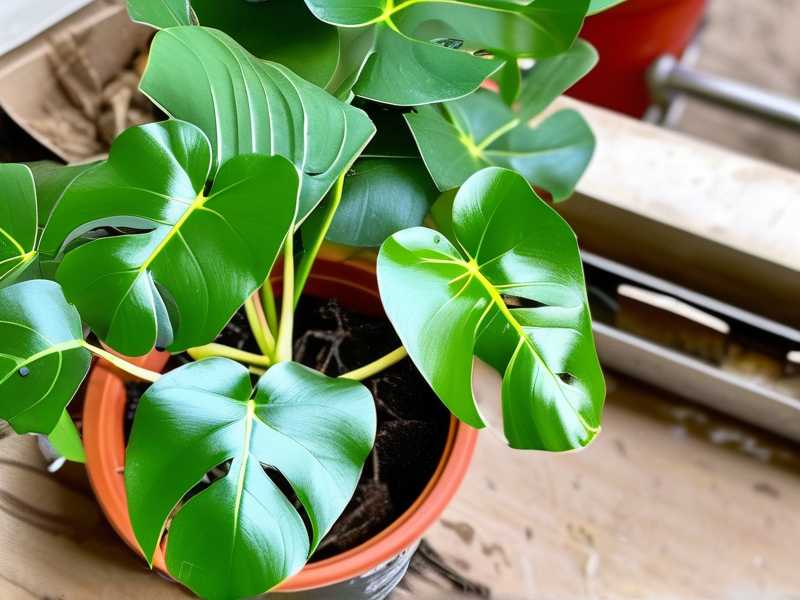
Here's the truth that took me way too long to accept: a wilting cutting usually isn't thirsty. It's drowning.
When a stem has no roots yet, it can't pull water up efficiently. If the soil around it stays soggy, the cut end actually starts to rot instead of forming roots. The leaves then droop because the whole water-transport system is failing.
I learned this the hard way. My first Aglaonema cutting looked so sad that I kept adding water, thinking it needed more moisture. Three days later, the stem was mushy and black at the base. That plant was gone.
According to the Royal Horticultural Society (RHS), most houseplant failures trace back to watering habits rather than pests or disease. And honestly, that matches everything I've seen.
The Hard Truth About Watering
Let me just say it plainly: 90% of indoor plants die from overwatering. Not underwatering. Overwatering. The American Horticultural Society (AHS) backs this up too, noting that poor drainage and excessive moisture are leading killers of container plants.
So before you do anything else, pick up that cutting and check the base of the stem. If it's brown, squishy, or smells off, you've got rot. You'll need to trim back to clean, firm green tissue with a sterilized blade before re-rooting.
If the stem is still firm, you've caught it early. Good. Now let's fix the setup.
My 2-Week Recovery Routine That Actually Worked
I want to share the exact steps I followed the last time one of my Aglaonema 'Red Siam' cuttings started wilting. I tracked it for two full weeks.
Day 1: I pulled the cutting out of the wet potting soil it was sitting in. The stem base was slightly soft but not rotten yet.
Day 2: I trimmed the bottom half-inch off with clean scissors and let the cut callus over for about four hours at room temperature. This step matters because a fresh wet cut is an open door for bacteria.
Day 3: I planted it in a mix of 60% perlite and 40% peat-based potting soil. Nothing heavy. No garden soil.
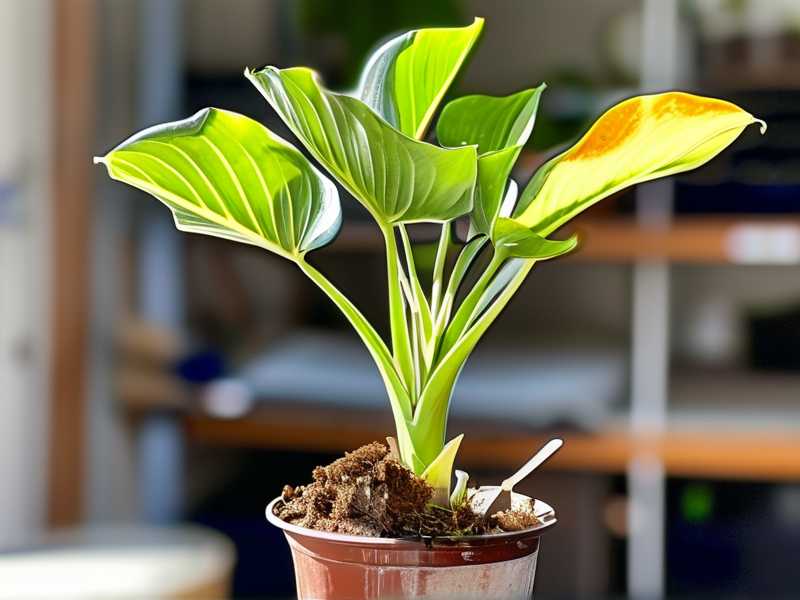
Days 4 to 7: I kept the mix barely damp, not wet. I misted the inside of a clear plastic bag and draped it loosely over the cutting to raise humidity without soaking the soil. I opened the bag for ten minutes each day to let air circulate.
Days 8 to 14: New root nubs started showing at the base. The leaves perked up noticeably by day 11. By day 14, the cutting was standing upright on its own.
That turnaround convinced me that Aglaonema cuttings don't need much water at all while rooting. They need humidity around the leaves and just a whisper of moisture at the base.
Three Beginner Mistakes That Kill Aglaonema Cuttings
I've made every one of these. Let me save you the heartbreak.
Mistake 1: Overwatering
This is the big one. New growers see droopy leaves and reach for the watering can. But a cutting without roots can't absorb that water. It just sits there, and the stem rots.
What to do instead: Water only when the top inch of the mix feels dry. With a light perlite-heavy mix, that might mean watering once every five to seven days. Sometimes longer. Patience wins here.
Mistake 2: Wrong Light
Aglaonema is a understory plant in nature. It evolved under tree canopy. Harsh direct sun will cook a rooting cutting fast, and deep shade slows root development to a crawl.
I once put a cutting on a south-facing windowsill in July. The leaves curled and bleached within two days. Total disaster.
What works: Bright, indirect light. A spot a few feet back from an east or north window is ideal. If you're in a darker home, a simple LED grow light on a timer for 10 to 12 hours a day does the job nicely.
Mistake 3: Wrong Pot
I used to grab whatever pot was sitting around. Big mistake. An oversized pot holds way more soil than a small cutting needs, and that excess soil stays wet for ages.
What works: A small pot, just an inch or two wider than the cutting's base. Terracotta is great because it wicks away extra moisture. Make sure there are drainage holes. Always.
If you're rooting in water instead of soil, switch the water every few days. Stale water breeds bacteria that rot the stem. I've had better luck with sphagnum moss or perlite than plain water, honestly.
Why Humidity Matters More Than Watering
Here's something I wish I'd understood earlier. Cuttings lose moisture through their leaves. Without roots to replace it, they wilt.
Raising the humidity around the leaves slows that loss. That's why a plastic dome or bag helps so much.
But there's a balance. Too much humidity with no airflow invites mold. So I vent the bag daily. Simple as that.
If you don't want to fuss with bags, a small humidifier nearby works too. Just don't aim it directly at the cutting.
What About Rooting Hormones?
I've tested cuttings with and without rooting powder. In my experience, Aglaonema roots fine without it. The hormone might speed things up by a few days, but it won't save a cutting that's sitting in soggy soil.
If you do use it, dip the callused end lightly and tap off the excess. More isn't better.
When to Give Up on a Cutting
Not every cutting makes it. If the stem turns black and mushy all the way up, toss it. Don't compost it near your other plants if you suspect disease. Just bin it.
But if there's any firm green tissue left, you can usually salvage it. Trim above the rot and start over with a cleaner setup.
Signs Your Cutting Is Recovering
Watch for these signals during the first two weeks:
- Leaves feel firmer and less limp
- The stem stands upright without support
- Small white bumps appear at the base (those are root primordia)
- New growth emerges from the crown
If you see any of these, you're on the right track. Keep doing what you're doing.
Frequently Asked Questions
How long do Aglaonema cuttings take to root?
Usually three to six weeks in warm conditions. I've had some root in under three weeks in summer and others take closer to eight weeks in winter. Warmth speeds things up considerably.
Should I remove wilting leaves from my cutting?
Yes, if a leaf is yellow or completely limp, snip it off. It's draining energy the cutting needs for root growth. Keep any leaves that still have some firmness.
Can I root Aglaonema cuttings directly in water?
You can, but change the water every two to three days and keep the stem above the waterline only at the very base. Soil or perlite rooting gives me more consistent results, especially in cooler rooms.
Final Thoughts
Wilting Aglaonema cuttings are almost never a lost cause if you catch them early. Dry them out, fix the light, downsize the pot, and be patient. Two weeks of careful attention made all the difference for me, and it will for you too.





