 bluename
 How to Propagate Aglaonema to Replace Old Plants
Let me give you the short answer right up front: the easiest way to propagate Aglaonema is by division or stem cuttings rooted in water or soil. If your old plant has gotten leggy, bare at the base, or just plain sad-looking, you can turn it into several fresh new plants in a single afternoon. I've done this more times than I can count, and honestly, it's one of the most forgiving propagation projects you'll ever try.
I remember staring at my first Aglaonema — a faded Red Siam I'd kept alive for four years. It had three sad leaves on top of a long, naked stalk. I almost tossed it. Instead, I chopped it up, rooted the pieces, and ended up with five new plants. That was the day I stopped being afraid of propagation.
Why Your Old Aglaonema Needs Replacing
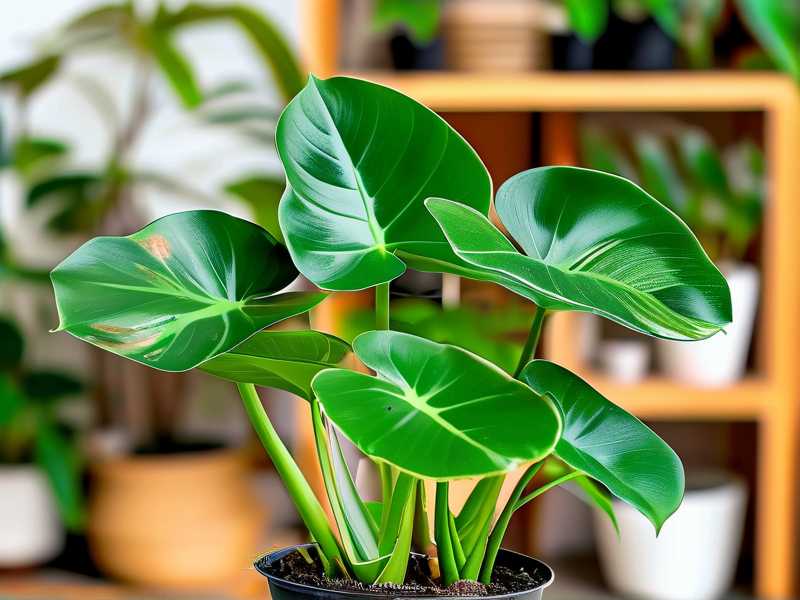
Aglaonema, often sold as Chinese Evergreen, doesn't stay compact forever. Over two to four years, lower leaves yellow and drop. The stem stretches toward the light. You end up with what I call a "palm tree situation" — a bare trunk with a tiny crown of leaves.
That's not a dying plant. It's just an old one. And old plants are perfect propagation material.
The RHS notes that many tropical houseplants respond well to rejuvenation through division and cuttings, and Aglaonema is no exception. You're basically hitting the reset button while multiplying your collection for free.
What You'll Need Before You Start
Gather these first so you're not running around mid-cut:
- Clean, sharp scissors or pruners (wipe with rubbing alcohol)
- A jar of room-temperature water or small pots with fresh potting mix
- Perlite or coarse sand if you're going the soil route
- A warm spot with bright, indirect light
- Patience — two weeks minimum before you see real progress
I used to skip the alcohol wipe. Then I lost a cutting to rot. Now I never skip it. Small thing, big difference.
Method 1: Division (Best for Bushy, Overgrown Plants)
This is my go-to when the plant has multiple stems crowded in one pot.
Step 1: Water the plant a day before. Dry roots tear. Moist roots separate cleanly.
Step 2: Slide the whole root ball out. Squeeze the sides of the pot if it's stuck. Don't yank the stems.
Step 3: Gently pull the clumps apart with your hands. If roots are tangled, use a clean knife to cut through.
Step 4: Pot each division into its own container. Use fresh mix — not the old, depleted stuff.
Step 5: Water lightly and keep out of direct sun for a week.
I divided a Silver Bay last spring into three pots. Two weeks later, all three were pushing new leaves. No wilting, no drama.
Method 2: Stem Cuttings in Water
This is the method most people try first, and for good reason. It's almost foolproof.
Step 1: Cut a stem section with at least two nodes. Nodes are the little bumps where leaves used to attach. Without a node, you get nothing.
Step 2: Remove lower leaves so the stem is bare where it enters water.
Step 3: Place the cutting in a jar with about two inches of water. Room temperature. Not cold.
Step 4: Change the water every three to four days. Stagnant water breeds rot.
Step 5: Wait. Roots usually appear in two to four weeks.
Here's my two-week observation from a recent batch: Day 3, nothing. Day 7, tiny white nubs at the nodes. Day 10, roots about half an inch. Day 14, clear roots an inch long. That's typical in warm rooms.
Method 3: Stem Cuttings in Soil
Some growers swear soil rooting gives stronger plants. I think it depends on your habits. If you forget to change water, go soil.
Step 1: Fill a small pot with a mix of potting soil and perlite — roughly 70/30.
Step 2: Dip the cut end in rooting hormone if you have it. Not mandatory, but it speeds things up.
Step 3: Push the cutting in so at least one node is buried.
Step 4: Water once, then keep the mix barely moist. Not wet. Barely moist.
Step 5: Cover with a clear plastic bag for humidity, but open it daily for air.
This method takes longer to show roots because you can't see them. But you'll know it worked when a new leaf unfurls.
The Three Mistakes That Kill New Plants
I've made all three. Learn from my pain.
Mistake 1: Overwatering
You've heard it before, and you'll hear it again: 90% of indoor plants die from overwatering. New cuttings are especially vulnerable. People panic and water daily. Roots suffocate. Stems turn to mush.
My rule: water only when the top inch of soil is dry. For water propagations, change the water — don't just top it off.
Mistake 2: Wrong Light
Aglaonema tolerates low light, but cuttings need brighter indirect light to root. Putting them in a dark corner slows everything down. Putting them in direct sun scorches the leaves.
I once left a jar of cuttings on a south windowsill in July. Cooked them in two days. Now I use an east window or a spot two feet back from a bright window.
Mistake 3: Wrong Pot Size
A tiny cutting in a huge pot is a death sentence. The roots can't reach the excess moisture, so it sits there and rots.
Use the smallest pot that fits the roots. A 3-inch pot for a single cutting is fine. Upgrade later.
Caring for Your New Plants
Once roots are two to three inches long, move water cuttings into soil. Use the same light, chunky mix.
Keep them warm. Aglaonema hates cold drafts. Below 60°F, growth stalls.
Fertilize lightly after a month. Half-strength liquid fertilizer, once a month during growing season.
The AHS recommends matching your watering schedule to the plant's natural rhythm — more in summer, less in winter. That advice has saved more of my plants than any gadget.
What About the Old Plant?
Don't throw away the original stump. If it still has roots, it will often push out new shoots within a month or two after cutting.
I've had "dead" stumps surprise me with fresh growth. Trim it back, water normally, and wait.
Frequently Asked Questions
Can I propagate Aglaonema in just water forever?
You can, but the plant won't thrive long-term. Water roots are fragile and lack nutrients. Move to soil once roots are a few inches long for a stronger plant.
How long before new plants look like the parent?
Leaf size and variegation improve with age. Expect small leaves for the first few months. By six months, they start looking like proper Aglaonema.
What if my cutting turns yellow and soft?
That's rot. Cut above the mushy part and start again with a fresh node. Clean your tools. Change water more often.
Final Thoughts
Propagating Aglaonema isn't complicated. It's just a matter of clean cuts, patience, and not loving them to death with water. I've replaced tired old plants with fresh ones dozens of times now. Every time, it feels like getting a free plant — because it is.
Start with one cutting. See how it goes. I think you'll be hooked.





