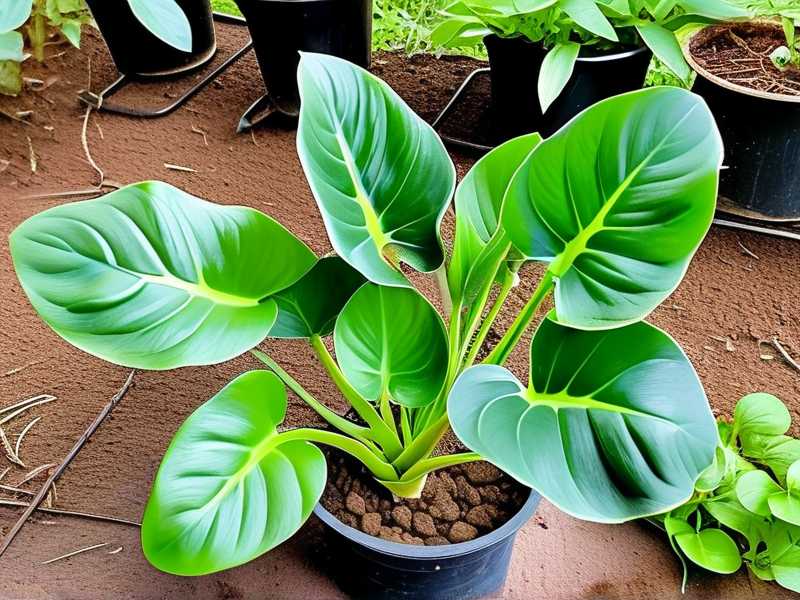
bluename
 How to Propagate Aglaonema Without Cutting: Division
If your Aglaonema has outgrown its pot and you want more plants without snipping stems, division is the answer. This is the safest, least stressful way to multiply a Chinese Evergreen, and the plant barely notices you did anything. I've split dozens of these over the years, and I can tell you the whole thing takes about thirty minutes once you get the root ball out. No rooting hormone, no humidity domes, no waiting weeks for new roots to form in water. Just you, a sharp knife, and a plant that's ready for a bigger life. Honestly, if I'd known how easy this was when I first started growing Aglaonemas, I would have saved myself a lot of wasted effort trying to root tip cuttings that just rotted in a glass of tap water.
What Is Division, Exactly?
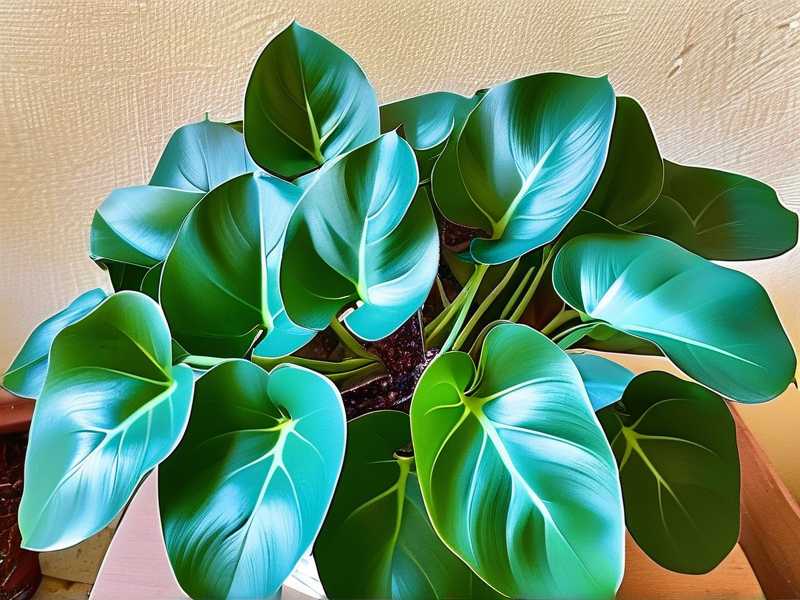
Division means separating one plant into two or more plants, each with its own root system and at least one growing point. With Aglaonema, this usually happens when the plant produces offsets or suckers at the base. Those little shoots are connected to the mother plant underground. When you divide, you're essentially cutting those connections and giving each section its own pot.
The RHS recommends division as a primary method for propagating clump-forming houseplants. The AHS also notes that division is less risky than stem cuttings for plants with thick, fleshy roots. That matches what I've seen in my own collection.
Why Aglaonema Is Perfect for Division
Aglaonemas grow from a thick, central stem with a crown of leaves. Over time, they push out side shoots from the base. Those shoots are basically mini plants waiting to be separated. Unlike many tropical houseplants that need high humidity and bottom heat to root, these offsets already have roots of their own.
Here's the thing, though. You can't just yank them apart. The roots tangle together, and if you're careless, you'll snap the main stem and lose the whole plant. I learned that the hard way with my first Aglaonema 'Silver Bay'. I pulled too hard and ended up with a cracked crown that rotted within a week. That was an expensive mistake.
When to Divide Your Aglaonema
Timing matters more than most people realize. The best window is early spring, right when you see the first new leaf unfurling. The plant is actively growing, so it recovers fast. I've also divided in early summer with good results, but I avoid fall and winter entirely. During the cooler months, Aglaonemas slow down, and disturbed roots are more likely to rot.
If you live somewhere with dry indoor air, like I do in a heated apartment, spring division gives the plant the best chance to settle in before the dry winter months hit.
The Tools You Actually Need
You don't need much. A clean, sharp knife or a sterilized pair of pruning shears. A trowel helps, but your hands work fine. Fresh potting mix. A few pots with drainage holes. That's it.
Skip the rooting hormone. Division doesn't require it because you're not trying to grow new roots from scratch. I used to dust the cut surfaces with cinnamon as a natural antifungal, and it works, but it's optional. What's not optional is cleaning your tools with rubbing alcohol before you start. I've skipped that step before and ended up with a bacterial infection in one of my divisions. Not fun.
Step-by-Step: How I Divide Aglaonema Without Cutting Stems
First, water the plant thoroughly two or three days before you plan to divide. Moist soil holds together better and makes the root ball easier to work with. Dry soil crumbles everywhere, and you'll lose half the roots before you even start.
Second, lay the pot on its side and gently squeeze the sides. If it's a plastic pot, this is easy. If it's ceramic, you might need to slide a knife around the inner rim. Work the root ball out slowly. Don't pull on the leaves. Grab the base of the stems instead.
Third, once the root ball is free, set it on a clean surface. I use a old baking sheet lined with newspaper. Now look for natural separation points. These are places where the offsets meet the main plant. You'll often see a seam or a slight gap in the root ball. That's your guide.
Fourth, use your fingers to gently tease the roots apart at that seam. If they're tightly tangled, use your knife to cut straight down through the connection point. One clean cut is better than tugging. I've torn roots by being impatient, and those plants took months to recover.
Fifth, once you have your divisions, inspect each one. Every piece needs at least two or three healthy leaves and a solid clump of roots. If a division has only one leaf and a single root, it probably won't survive. Pot it up anyway if you want, but don't expect much.
Sixth, pot each division in fresh mix. I use a blend of potting soil, perlite, and orchid bark. Aglaonemas like airy, well-draining soil. If you use straight garden soil or heavy potting mix, you're asking for trouble. I once potted a division in cheap, dense soil and watched it sulk for two months. The leaves drooped, and I thought I'd killed it. It recovered when I repotted in a lighter mix.
Seventh, water lightly and keep the new plants out of direct sun for the first two weeks. No fertilizer. No misting. Just let them settle.
What I Observed Over Two Weeks
I divided a large Aglaonema 'Red Siam' in early April. Three divisions, each with three to four leaves. Day one, they looked sad. That's normal. The leaves drooped, and I resisted the urge to water more. Day three, still droopy, but no yellowing. Day five, the smallest division perked up first. By day ten, all three had lifted their leaves back to a normal angle. Day fourteen, I saw a tiny new leaf emerging on the largest division. That's when I knew the division had worked.
The mother plant, which I repotted in the same mix, didn't skip a beat. No leaf loss, no drooping. That's the beauty of division. You're not shocking the whole plant the way you would with stem cuttings.
The Three Mistakes That Kill New Divisions
Mistake one: overwatering. This is the big one. 90% of indoor plants die from overwatering, and freshly divided Aglaonemas are especially vulnerable. Their roots are damaged, so they take up less water than usual. If you water on a schedule instead of checking the soil, you'll rot the roots in a week. I water my divisions only when the top inch of soil is dry. In my dry apartment, that's about every seven to ten days.
Mistake two: wrong light. Aglaonemas are not low-light plants, despite what you read online. They tolerate low light, but they don't thrive. After division, the plant needs bright, indirect light to recover. A spot a few feet back from a north or east window is ideal. I once put a division in a dark hallway because I thought it would appreciate the shade. It dropped two leaves in ten days. Move it to better light, and it stopped declining.
Mistake three: wrong pot size. A division with a small root ball needs a small pot. If you pot it in a giant container, the excess soil stays wet, and the roots suffocate. I use a pot that's only one to two inches wider than the root ball. That's it. I've seen people pot a single division in a gallon container, and it always ends badly.
How to Avoid Overwatering After Division
Use a pot with drainage holes. Always. Then water until it runs out the bottom, and empty the saucer after ten minutes. Don't let the pot sit in water. If you're unsure, wait another day. Aglaonemas store water in their thick stems, so they handle a little drought better than a flood.
I also stopped using self-watering pots for divisions. Those systems keep the soil constantly moist, which is the opposite of what a recovering root system needs. I learned this after losing a beautiful 'Maria' division to root rot. The pot looked dry on top, but the bottom was a swamp.
Light: The Sweet Spot
Bright, indirect light means the plant gets plenty of ambient light without direct sun hitting the leaves. A sheer curtain over a south or west window works well. Or place the plant three to five feet back from the window. If the leaves start to bleach or curl, the light is too strong. If the stems get long and leggy with wide gaps between leaves, the light is too weak.
After division, I keep my plants in the same light they'll live in permanently. No moving them around. Stability helps them recover.
Pot Size and Soil Mix
Small pot, airy mix. That's the rule. I mix two parts potting soil, one part perlite, and one part orchid bark. This drains fast, which is exactly what damaged roots need. If you use a pre-made mix, add extra perlite. Most commercial mixes are too heavy for Aglaonemas.
Also, don't fertilize for at least four to six weeks after division. The roots are healing, and fertilizer salts can burn them. I wait until I see new growth, then start with a diluted liquid fertilizer at half strength.
What About the Mother Plant?
After you remove the offsets, repot the mother plant in fresh soil. She'll have more room and often grows faster than before. I've had mother plants double in size within a few months after division because they're no longer competing with the suckers. Give her the same light and water routine as the divisions, and she'll reward you.
Can You Divide Without Removing the Plant From Its Pot?
Not really. You need access to the root ball to separate the offsets cleanly. Trying to divide in the pot leads to broken roots and a messy, uneven split. Take the plant out. It's less stressful for everyone.
Do You Need to Let the Cuts Callus?
Some growers let the cut surfaces dry for a few hours before potting. I've done it both ways. With Aglaonema, the cuts are usually small, so callusing isn't critical. If you made a large cut through a thick root, let it air dry for an hour or two. That reduces the chance of rot. But don't leave it out overnight. The roots will dry out too much.
Signs Your Division Is Thriving
New leaf growth within three to four weeks. Firm stems. Leaves that hold their shape and don't droop at night. If you see these, you're on the right track. If the leaves turn yellow and mushy, you've overwatered. If they turn crispy and brown, the air is too dry or the light is too intense. Adjust and wait. Aglaonemas are forgiving once they settle in.
Frequently Asked Questions
Can I divide an Aglaonema that's never been repotted?
Yes, but it's harder. The root ball will be dense and root-bound. Soak the root ball in a bucket of room-temperature water for ten minutes to loosen the soil. Then work the roots apart gently. I've done this with a neglected plant that had been in the same pot for three years. It took patience, but the divisions all survived.
How long before the new plants can go back to normal care?
About four to six weeks. Once you see new growth, you can treat them like your other Aglaonemas. That means watering when the top inch of soil is dry and feeding monthly during the growing season.
What if a division has no roots?
Pot it in a small container with moist, airy mix and cover it with a clear plastic bag to create humidity. Keep it in bright, indirect light. It might root, but honestly, divisions without roots rarely make it. I've tried saving rootless offsets and only succeeded once out of five attempts. Your best bet is to make sure each division has roots before you separate.
Final Thoughts
Division is the most reliable way to propagate Aglaonema without cutting stems. It's fast, low-tech, and gentle on the plant. Just remember the three killers: overwatering, wrong light, and oversized pots. Get those right, and you'll have more Chinese Evergreens than you know what to do with. I started with one sad clearance-rack plant years ago. Now I have eleven, all from division. If I can do it, you can too.