 bluename
 How to Care for Newly Rooted Aglaonema Seedlings
If you just pulled a few baby aglaonema plants out of water or a propagation tray, the first two weeks decide everything. I know that sounds dramatic, but I've killed more aglaonema seedlings than I'd like to admit by doing too much, too soon. The honest answer is this: newly rooted aglaonema seedlings need bright indirect light, barely moist soil, and a small pot. That's it. Get those three things right and you're basically done. Get them wrong and you'll watch those tiny roots rot in slow motion. Let me walk you through exactly what I do now, after learning the hard way.
A quick note on language. I'll talk about "newly rooted aglaonema seedlings" a lot, and also "caring for aglaonema seedlings" and "transplanting aglaonema seedlings" because those are the three things people actually search for. They all mean the same job: keeping a freshly rooted baby alive long enough for it to become a real plant.
Why Newly Rooted Seedlings Are So Fragile
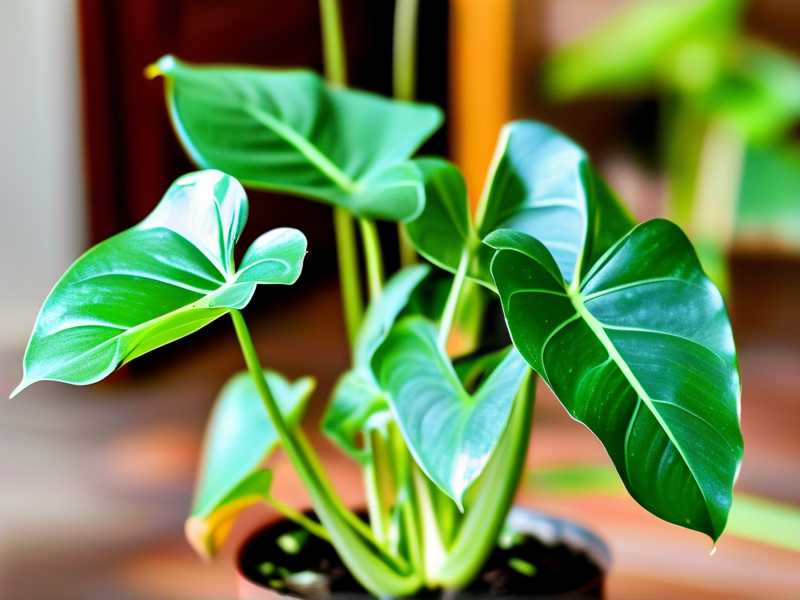
The roots you see right now are not the same as the roots on a mature plant. They're thin, pale, and covered in tiny root hairs that dry out fast. They also can't handle much water pressure yet. So any care routine that works for a big established aglaonema will absolutely wreck a seedling.
The RHS puts it simply: young plants need consistent moisture but never saturation. That single sentence is the whole game here. Consistent, not soaked. There's a big difference.
My First Two Weeks, Day by Day
I'll be honest, I used to just pot them up and hope. Now I follow a rough schedule for the first 14 days, and the survival rate went way up. Here's what I actually did with my last batch of six seedlings.
Day 1 to 3: Pot them into a small container, no bigger than a 3-inch pot. Water once, lightly, until the soil is just barely damp. Then leave them alone. I mean it. Don't water again. Put them somewhere with bright light but no direct sun.
Day 4 to 7: Check the soil with your finger. If the top inch is dry, give a tiny sip. If it's still damp, wait. In my last batch, two of the six didn't need water until day 6. The others needed it on day 4. They're all different, so stop following a calendar and start following the soil.
Day 8 to 14: This is when you'll see the first real sign that things are working. New leaf growth, or tiny white roots poking out of the drainage holes. In my batch, four of the six showed a new leaf unfurling by day 11. The other two took until day 14, and one of those is now my strongest plant. So don't panic if yours is slow.
The 3 Mistakes That Kill Almost Every Newbie's Seedlings
I've made all three of these. More than once. And I've watched friends make them too.
Mistake 1: Overwatering
I'm putting this first because it's the big one. 90% of indoor plants die from overwatering, and seedlings are even more sensitive than mature plants. I once potted up four beautiful little aglaonema seedlings and watered them "just to settle the soil" every other day. By day 10, three were mushy at the base. Gone. The fix is simple but hard to accept: let the top inch of soil dry out between waterings. For a seedling in a 3-inch pot, that might mean watering once every 5 to 7 days. Sometimes longer.
Mistake 2: Wrong Light
Too much light burns the leaves. Too little and the plant stalls out and never grows. I tried putting a tray of seedlings on a south-facing windowsill in July, thinking "bright light is good, right?" Wrong. Two days later the leaves were pale and curling. Now I use a spot with bright indirect light, or a sheer curtain between the plant and the window. East-facing windows are great. A few feet back from a south window works too.
Mistake 3: Using the Wrong Pot
This one took me embarrassingly long to figure out. I used to pot tiny seedlings into 6-inch pots because I figured they'd "grow into it." They don't. A big pot holds way too much wet soil, and those tiny roots can't drink it fast enough. Root rot every time. Now I use the smallest pot that fits the root ball, usually a 3-inch or 4-inch pot with drainage holes. Always drainage holes. No exceptions.
What Soil and Pots I Actually Use
I mix my own now. Two parts peat or coco coir, one part perlite, one part fine orchid bark. That gives you something airy that drains fast but still holds a little moisture. If you don't want to mix, any light houseplant mix with extra perlite stirred in will work fine.
For pots, I like small plastic nursery pots. They're cheap, they drain well, and they're easy to check for root growth. Terracotta works too but it dries out faster, so you'll water more often. For seedlings, I'd skip terracotta until they're bigger.
Watering: The Finger Test Beats Every Schedule
I cannot stress this enough. Stick your finger in the soil up to the first knuckle. If it feels dry, water. If it feels even slightly damp, wait another day. This one habit saved more of my seedlings than any fertilizer or fancy grow light ever did.
When you do water, water gently around the edge of the pot, not right on the stem. Use a small cup or a squeeze bottle. A full watering can will flood a 3-inch pot and knock the seedling over.
Light and Temperature: Keep It Boring
Aglaonema seedlings like the same conditions as the adults, just gentler. Bright indirect light. Room temperature, roughly 65 to 80 degrees Fahrenheit. No cold drafts, no heat vents blowing on them. I keep mine on a shelf a few feet from an east window and they're perfectly happy.
If you're using a grow light, keep it at least 12 inches above the seedlings and don't run it more than 12 hours a day. I tried running mine 16 hours once and the leaves started to yellow. Less is more here.
Humidity Helps, But Don't Overdo It
These are tropical plants, so a little humidity goes a long way. I keep a small humidifier near my seedling shelf and aim for 50 to 60 percent. If you don't have one, a tray of pebbles with water underneath the pots works too. Just don't mist the leaves constantly. I used to mist every morning and ended up with fungal spots on two leaves. Lesson learned.
When to Fertilize (Hint: Not Yet)
Do not fertilize a newly rooted seedling for at least the first month. The roots are too delicate and you'll burn them. I wait until I see two new leaves, then I start with a quarter-strength liquid fertilizer once a month. That's it. The AHS recommends the same cautious approach for young transplants.
Common Problems in the First Month
Yellow lower leaves. Usually a sign of overwatering. Let the soil dry out more between waterings.
Brown leaf tips. Often low humidity or inconsistent watering. Check your humidity and stick to the finger test.
No new growth after three weeks. Could be too little light, or the plant is just focusing on root growth. Give it another week before you change anything.
Mushy stem base. This is root rot. Unpot immediately, cut away the mushy roots, and repot in fresh dry mix. I've saved a few this way, but honestly, once it's mushy you're fighting an uphill battle.
What I'd Tell a Friend Starting Out
Don't love them to death. That's the whole thing. Newly rooted aglaonema seedlings want to be left alone in a small pot with bright indirect light and soil that dries out between waterings. That's it. No fertilizer, no misting, no big pots, no daily fussing.
I've killed maybe a dozen seedlings learning this. The ones that survived all got the same boring treatment. Small pot, light watering, indirect light, patience. Boring works.
FAQ
How often should I water newly rooted aglaonema seedlings?
Check the soil every few days with your finger. Water only when the top inch is dry. For a small pot, that's usually every 5 to 7 days, but it depends on your room's humidity and temperature.
Can I put my aglaonema seedlings in direct sunlight?
No. Direct sun will burn the leaves. Bright indirect light is what you want, like a few feet back from a window or behind a sheer curtain.
When can I move my seedlings to a bigger pot?
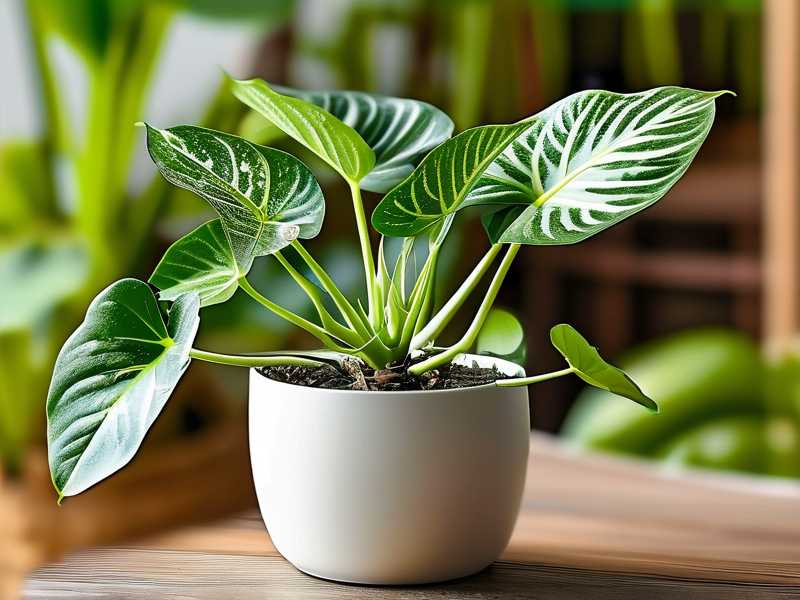
Wait until roots are coming out of the drainage holes and the plant has at least two or three new leaves. Then go up just one pot size, not two.





