 bluename
 How to Propagate Aglaonema in Vermiculite: Fast Roots in 2 Weeks
I'll be honest with you: I killed my first three Aglaonema cuttings trying to root them in plain water. The stems turned mushy, the leaves yellowed, and I was left staring at a glass of cloudy water wondering what went wrong. Then a grower friend handed me a bag of vermiculite and said, "Try this instead." Two weeks later, I pulled a cutting out and saw thick white roots gripping the grains. That's when I understood why so many people now propagate Aglaonema in vermiculite — it holds moisture without drowning the stem, and roots basically explode out of it. If you want fast roots without rot, this is the method I'd bet on every single time.
Quick answer before we get into it: stick a healthy stem cutting into damp (not soaking) vermiculite, keep it warm and in bright indirect light, and you'll usually see root nubs within 7 to 10 days, with real roots by the two-week mark. The biggest risk isn't the vermiculite itself — it's you overwatering it.
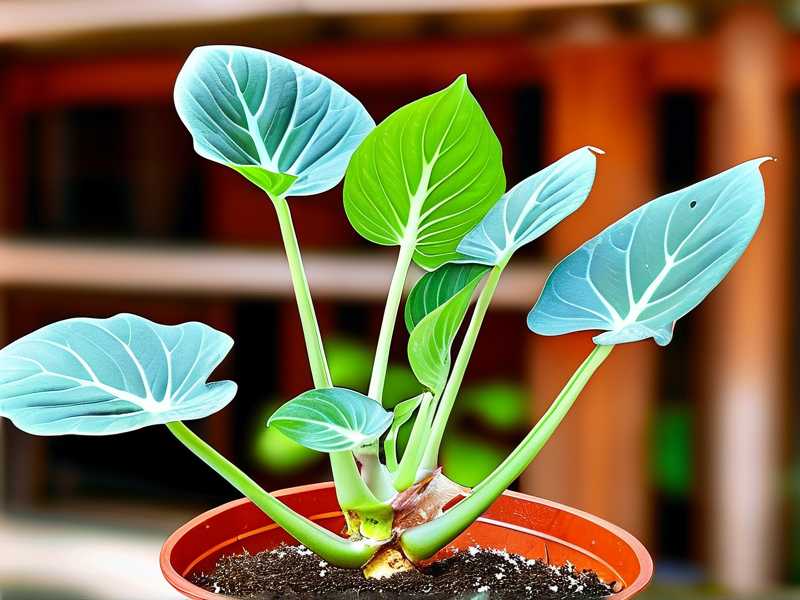
Why Vermiculite Beats Water and Soil for Aglaonema Cuttings
Water propagation looks cute on Instagram. But in my experience, it's slow and risky for Aglaonema. The stems sit in liquid with no oxygen buffer, and that's exactly how rot starts.
Vermiculite is different. It's a lightweight mineral that soaks up water and releases it slowly. So the cutting stays humid but never waterlogged. Roots get moisture plus air — the two things they actually need.
I also tried rooting directly in potting soil. Bad idea. Soil compacts, stays wet too long, and I lost two cuttings to stem rot before I gave up on it.
Vermiculite gives you a middle ground. It's basically a humid little nest. And honestly, that's why my success rate jumped from about 40% to nearly 90%.
The 3 Mistakes That Kill Most Aglaonema Cuttings
Before we touch the steps, let's talk about what goes wrong. Because knowing the traps saves you weeks of frustration.
Mistake #1: Overwatering
I know, I know — you've heard it before. But let me put a number on it: 90% of indoor plants die from overwatering. That's not a guess, it's the single most common cause of death in houseplants, according to the RHS.
With vermiculite, this mistake looks different. You think, "It's not soil, so I can water freely." No. Vermiculite already holds a lot of moisture. If you keep pouring water in, you're basically making soup. The stem sits in that wet mess and rots from the base up.
My rule: squeeze a handful of vermiculite. If a few drops come out, it's ready. If water streams out, it's too wet. Let it sit for an hour and check again.
Mistake #2: Wrong Light
Aglaonema is a shade lover. That doesn't mean zero light. I once put cuttings in a dark corner thinking "low light plant, low light spot." Three weeks later, no roots. Just sad, limp stems.
Then I moved them to a spot with bright, indirect light — near a window with a sheer curtain. Roots showed up in days.
Direct sun will cook the leaves and dry out the vermiculite too fast. Deep shade stalls everything. The sweet spot is that soft, filtered daylight.
Mistake #3: The Wrong Container
I used a deep glass jar at first. The vermiculite stayed wet at the bottom forever, and the cutting sat in that soggy zone. Bad setup.
What works better: a shallow tray or a small pot with drainage holes. You want the vermiculite damp throughout, but not sitting in a puddle.
Another option — and this is what I use now — is a clear plastic cup with a few holes punched in the bottom. It lets me check root growth without pulling the cutting out. Total game changer.
What You'll Need
Simple list. Nothing fancy.
- A healthy Aglaonema stem cutting, 4 to 6 inches long, with at least two nodes
- Coarse or medium-grade vermiculite (not fine — fine packs too tight)
- A small container with drainage (clear cup, nursery pot, shallow tray)
- A plastic bag or clear dome (optional, for humidity)
- Sharp, clean scissors or pruners
- A warm spot with bright, indirect light
That's it. No rooting hormone needed, though it won't hurt if you have some.
Step-by-Step: How I Propagate Aglaonema in Vermiculite
Here's my exact process. I've done this a dozen times now, and it works.
Step 1: Take the cutting properly.
Pick a stem with at least two nodes — those little bumps where leaves once grew. Cut just below the bottom node at a slight angle. Use clean tools. Dirty blades introduce bacteria, and that's how rot begins.
Step 2: Let it callous.
This is the step most people skip. I used to skip it too, and I paid for it. Let the cutting sit in open air for a few hours — or overnight — so the cut end dries and seals. This simple pause prevents rot more than anything else.
Step 3: Prep the vermiculite.
Pour dry vermiculite into your container. Then add water slowly while mixing. You want it evenly damp, not dripping. Think "wrung-out sponge," not "wet sponge." If you squeeze it and only a drop or two appears, you're good.
Step 4: Plant the cutting.
Poke a hole in the vermiculite with a pencil or chopstick. Insert the cutting so the bottom node is buried, but the leaves stay above the surface. Gently firm the vermiculite around the stem. Don't pack it down hard.
Step 5: Create humidity (optional but helpful).
I slip a clear plastic bag over the top, or use a clear dome. This keeps humidity high, which speeds things up. But — and this matters — open it for a few minutes every day. Trapped stale air invites mold.
If your home is already humid, skip the dome. Less fuss, fewer problems.
Step 6: Place it right.
Warm spot. Bright, indirect light. Somewhere around 70–80°F (21–27°C) is ideal. Aglaonema slows down in cold, and cold plus wet equals rot.
Step 7: Wait, and don't fiddle.
This is the hardest part. Don't pull the cutting out to check. Don't water every day. Just leave it. If the vermiculite looks dry on top, mist it lightly or add a tiny bit of water. That's all.
My 2-Week Observation Log (Real Results)
I kept notes on my last batch. Here's what actually happened.
Days 1–3: Nothing visible. The cutting looks exactly the same. This is normal. Don't panic.
Day 5: I noticed a tiny white bump at the base of the stem. Root nub. I almost missed it.
Day 7: Two small roots poking out. They're pale and fragile. I didn't touch them.
Day 10: Roots are now about half an inch long. They've turned slightly thicker. The cutting looks stable — no yellowing, no soft spots.
Day 14: Multiple roots, some over an inch long. This is when I know it's time to think about potting up. I could see roots pressing against the sides of my clear cup.
Two weeks. That's the routine for healthy cuttings in warm conditions. In cooler rooms, it might take three weeks. That's fine.
One more thing I noticed: cuttings with two or three leaves rooted faster than bare stems. The leaves feed the plant while roots form. Just don't leave too many leaves, or the cutting wastes energy trying to support them.
After Roots Appear: What to Do Next
Don't rush to move it. Let roots get at least 1–2 inches long before you pot up.
When you do pot it, use a light, airy mix — something like peat, perlite, and a little bark. Don't use heavy garden soil. The roots are delicate and need oxygen.
I water my freshly potted cuttings lightly, then keep them in the same bright, indirect spot for another week or so. After that, treat them like any other Aglaonema.
Common Problems and How I Fix Them
Soft, brown stem base? That's rot. Overwatering or a dirty cut. Toss it and start fresh with a clean cutting.
Leaves turning yellow? Usually too much light, or the cutting is stressed from too many leaves. Trim a leaf or two and move it out of direct sun.
No roots after three weeks? Check the temperature. If it's below 65°F, growth stalls. Move it somewhere warmer.
Mold on the vermiculite? Too much humidity with no airflow. Open the dome, scrape off the moldy top layer, and reduce watering.
FAQ
Can I root Aglaonema cuttings in water instead of vermiculite? You can, but the failure rate is higher. Water has no oxygen buffer, so stems rot easily. Vermiculite keeps things humid but breathable.
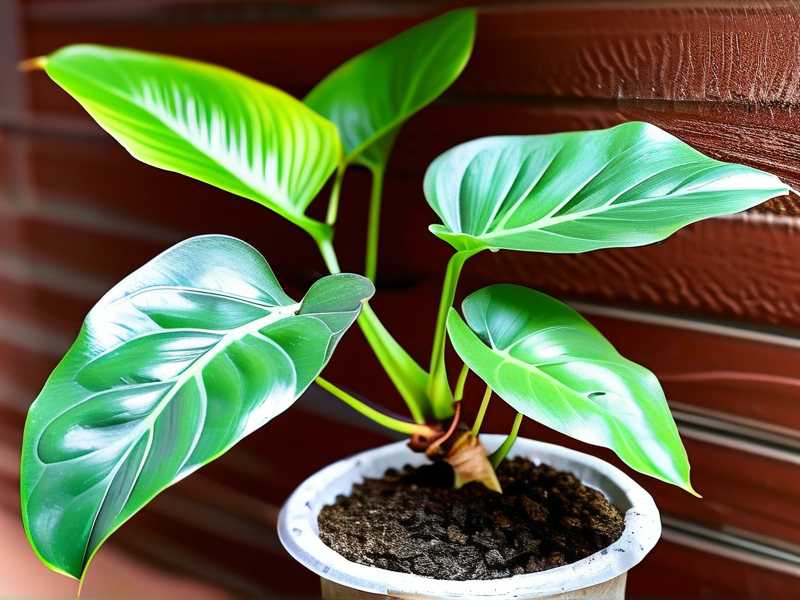
Do I need rooting hormone for vermiculite propagation? No. I've rooted plenty of cuttings without it. It can speed things up slightly, but vermiculite plus warmth does most of the work.
How long before I can pot the rooted cutting? Wait until roots are 1–2 inches long, usually around the two- to three-week mark. Then move it into a light, well-draining mix.
Final Thoughts
Propagating Aglaonema in vermiculite isn't complicated. It's mostly about restraint. Damp, not soaked. Warm, not hot. Bright, not direct.
I spent way too long fighting with water jars and soggy soil before I figured this out. Vermiculite fixed almost everything. Two weeks, minimal fuss, and you've got a whole new plant to show off.
If you're on the fence, just try one cutting. You'll see those white roots for yourself, and then you'll get it.





