 bluename
 How to Care for Aglaonema in Bright Rooms: A Plant Lover’s Practical Guide
I used to think my bright, sun-drenched living room was a death sentence for most houseplants. I craved the lush, colorful foliage of an Aglaonema, but every care sheet warned about “low to medium light.” Could these beautiful plants truly thrive in my bright space? After killing a few from sheer misunderstanding, I embarked on a two-week experiment to crack the code. I’m here to tell you that not only is it possible, but with the right adjustments, your Aglaonema in bright rooms can become the most vibrant, fast-growing showpiece in your collection. Let me walk you through the exact steps, the mistakes I made, and the surprisingly simple solutions I discovered.
Understanding Aglaonema and Light: It’s All About Adaptation
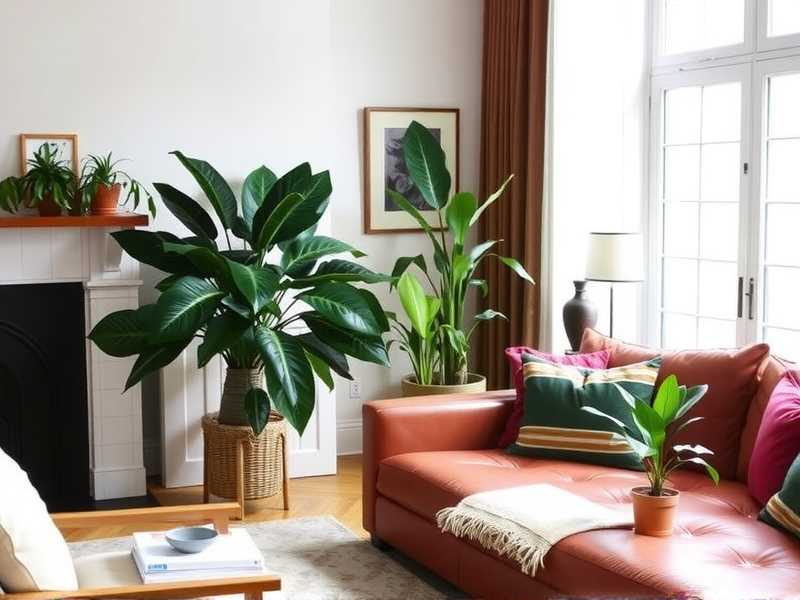
First, let’s clear a major misconception. Aglaonemas are often labeled “low-light plants,” but this primarily refers to their remarkable tolerance for such conditions, not an absolute requirement. According to the Royal Horticultural Society (RHS), while they survive in shade, many varieties with variegated leaves (like ‘Siam Aurora’ or ‘Pink Dalmatian’) actually develop their best coloration with more filtered light. The real enemy isn’t brightness itself—it’s the intensity and heat of direct sun.
My initial mistake was placing a gorgeous ‘Red Valentine’ on a south-facing windowsill. Within three days, the leaves showed scorch marks: bleached, crispy brown patches. This is a classic sign of too much direct sunlight. The American Horticultural Society’s (AHS) heat zone map reminds us that indoor light through glass can amplify heat, essentially cooking the plant’s delicate cells. The goal for caring for Aglaonema in high light is to harness that energy without the burn.
My 2-Week Bright Room Aglaonema Care Protocol
I moved my slightly scorched plant and two new, healthy ones (‘Silver Bay’ and ‘Emerald Beauty’) to a bright room with an east-facing window. Here was my daily and weekly routine.
Week 1: Observation and Initial Adjustments
The core of this first week was monitoring, not meddling. I placed the plants about 4-5 feet back from the east window, where they received several hours of gentle morning sun but were shielded from the harsh afternoon rays.
- Watering Recalibration: This was my biggest “aha!” moment. In their previous lower-light spot, I watered every 10-14 days. In this brighter location, the soil dried out remarkably faster. By day 5, the top two inches of the ‘Silver Bay’ were bone dry. I watered thoroughly until it drained from the bottom, but I ensured no water was left sitting in the saucer. The key for Aglaonema plant care in sunny spots is to let the soil approach dryness, then water deeply. Overwatering in bright light is still a risk, as roots need oxygen, but the drying cycle is simply shorter.
- Leaf Inspection: Each morning, I checked the leaves for any sign of stress. The existing scorch on the ‘Red Valentine’ stabilized—no new damage. The new growth on all plants appeared robust. I also gently wiped the leaves with a damp cloth. In a bright room, dust is more visible and can block precious light, hindering photosynthesis.
Week 2: Fine-Tuning and Witnessing Growth
By the second week, patterns emerged, and I could make confident adjustments.
- Humidity Check: Bright rooms, especially with air conditioning or heating, can have lower humidity. While Aglaonemas are adaptable, I noticed the very tips of one leaf on the ‘Emerald Beauty’ turning slightly brown. I grouped the plants together to create a microclimate and placed a shallow pebble tray with water nearby. The browning stopped immediately. A simple, non-invasive fix.
- The Fertilizer Factor: With increased light comes increased metabolic activity and potential for growth. I applied a half-strength dose of a balanced liquid fertilizer at the start of Week 2. The response was visible by week’s end: the ‘Silver Bay’ pushed out a stunning new, fully unfurled leaf with even more pronounced silver patterning. This confirmed that bright, indirect light was fueling its growth engine.
- Rotation for Symmetry: The stems began leaning slightly toward the light source. I started a habit of rotating each pot a quarter turn every time I watered to promote even growth and prevent a lopsided appearance.
Essential Long-Term Care Adjustments for Bright Conditions
My two-week test proved successful, but it established a new long-term care baseline.
Mastering the Watering Balance
Forget a fixed schedule. Your finger is the best tool. In my bright room, I now check soil moisture every 5-7 days. I water only when the top 1-2 inches feel completely dry. The pot feels noticeably lighter. This method prevents both drought stress and the root rot that can paradoxically happen in any light if you overwater based on a calendar.
Strategic Placement: Filtering the Light
Direct sun is a no-go. Here are the winning spots I tested:
- East-facing window: Perfect for gentle morning sun.
- Behind a sheer curtain on a south or west window: This diffuses the harsh rays into perfect bright, indirect light.
- Several feet back from a unobstructed south window: The intensity drops significantly just a short distance into the room. Observe the light patterns throughout the day. A spot that gets direct sun for even 30 minutes might be too much.
Choosing the Right Aglaonema Variety
Not all Aglaonemas are equal for brighter spaces. My experience and expert consensus point to varieties with lighter variegation. The darker green varieties (‘Maria’, ‘Emerald Beauty’) are more tolerant of lower light but can also handle bright indirect light. The highly variegated or red/pink varieties (‘Pink Moon’, ‘Siam Aurora’) often need brighter filtered light to maintain their stunning colors. In deep shade, they may revert to greener foliage.
Troubleshooting Common Bright Room Issues
- Pale or Scorched Leaves: Immediate sign of too much direct sun. Relocate the plant further from the window or add a filter immediately.
- Leggy Growth or Fading Variegation: Surprisingly, this means not enough light. Your bright room might have deep corners. Move the plant closer to the light source (still indirect).
- Persistent Wilting Despite Watering: Could be root rot from overwatering. Check the roots. In bright light, the top may dry fast, but the bottom might stay soggy in a poorly draining mix. Ensure your pot has drainage holes and use a chunky, well-aerated potting mix.
Can Aglaonema tolerate direct sunlight if it’s only for a short time? It’s a risky gamble. Even an hour of hot afternoon sun through a window can scorch the leaves, especially during summer. The damage is permanent and stresses the plant. It’s far safer to provide consistent bright, indirect light all day. Think of it as a steady glow, not a focused beam.
How often should I fertilize my Aglaonema in a bright room? During the active growing season (spring and summer), you can fertilize monthly with a balanced, diluted liquid fertilizer. In my bright setting, I continue this slightly into early fall but stop completely in winter when growth slows. Remember, more light supports more growth, which increases nutritional needs—but always err on the side of under-fertilizing.
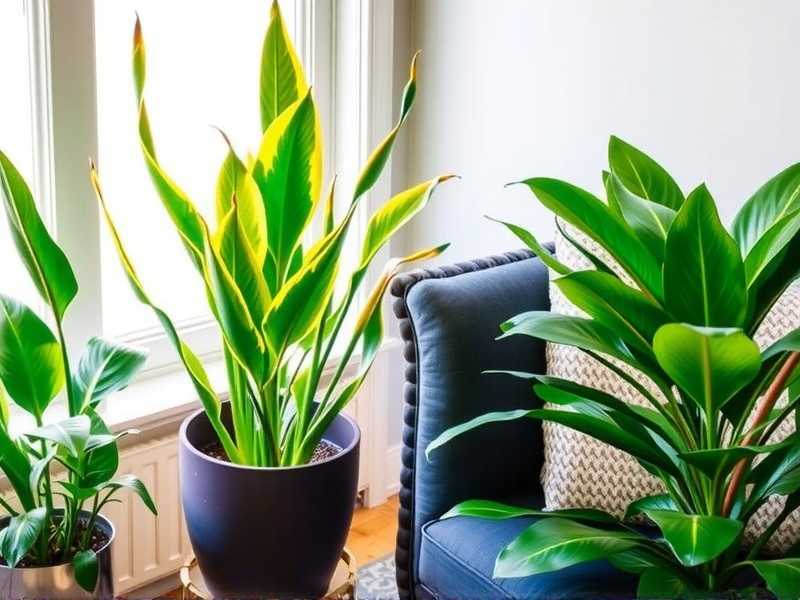
My Aglaonema’s leaves are curling. Is it too much light? Leaf curling can be confusing. It’s more often a sign of underwatering, low humidity, or a draft. Check your soil moisture first. If the soil is dry and the room is bright and hot, the plant may be losing water faster than it can uptake it. Give it a thorough drink and increase humidity. If the leaves are curled and scorched, then light is the primary issue.
Success with an Aglaonema in a bright space comes down to reinterpretation. See the bright light not as a threat, but as a powerful resource to be managed. Shield the plant from the sun’s direct intensity, respond to its faster thirst, and appreciate the boosted growth and vivid colors it can produce. My two-week journey turned a problem area into a prime display spot. By observing closely and adapting your care—focusing on filtered light, proactive watering, and boosted humidity—you can transform that challenging bright room into the perfect stage for a thriving, spectacular Aglaonema.





