 bluename
 How to Fix Aglaonema Summer Care Mistakes and Revive Your Chinese Evergreen
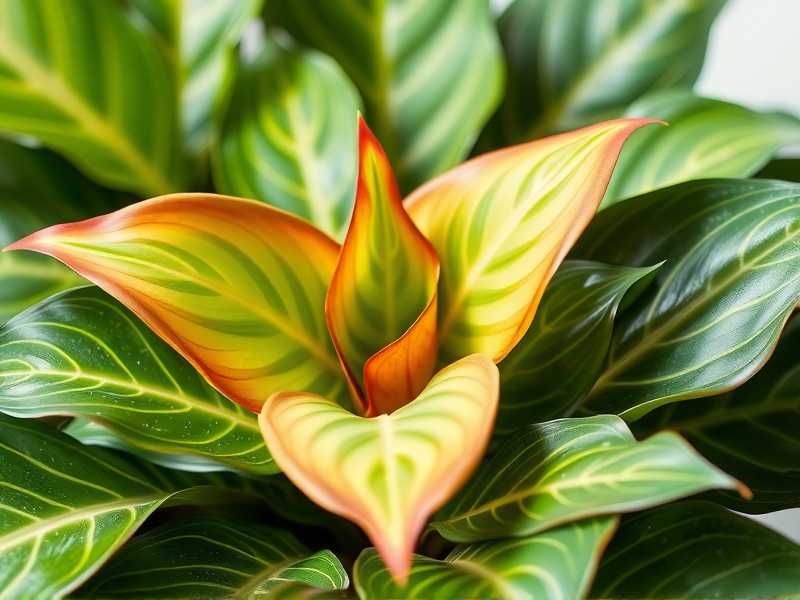
I almost lost my favorite Aglaonema ‘Silver Bay’ last summer. One day, its famously stunning leaves were lush and perky; the next, they were drooping, developing crispy brown edges, and yellowing at an alarming rate. I felt like a complete failure as a plant parent. Sound familiar? If your Chinese Evergreen is looking sad and stressed despite the season of growth, you’re likely making a few common Aglaonema summer care mistakes. The good news is that these beautiful, air-purifying plants are incredibly resilient. Over a focused two-week period, I diagnosed and corrected my errors, transforming my struggling plant back into a vibrant centerpiece. This guide is my firsthand account of exactly how to fix Aglaonema summer care mistakes, sharing every step, observation, and solution I discovered.
Understanding Why Summer is a Critical Season for Aglaonema
Aglaonemas, native to the tropical forest floors of Asia, thrive in warm, humid, and lightly shaded conditions. Summer should be their prime time. However, our indoor summer environments—blasting air conditioning, intense direct sunlight through windows, and inconsistent watering—often mimic the exact opposite of their natural habitat. This disconnect is where most problems begin. The Royal Horticultural Society (RHS) notes that while Aglaonemas are tolerant, "the most common issues arise from inappropriate watering and light exposure," especially during seasonal shifts.
The Two-Week Rescue Mission: Diagnosing and Correcting My Mistakes
I committed to a 14-day plant ICU regimen. My goal wasn’t just quick fixes, but to understand and permanently adjust my care routine.
Mistake 1: The Double Whammy of Light and Location
The Problem: I had my Aglaonema on a bright, south-east facing windowsill, thinking "more light equals more growth." Summer sun is intensely strong. Combined with the hot glass of the window, it was essentially baking the leaves, causing scorch marks and rapid moisture loss.
The Fix: Immediate Relocation and Light Assessment Day 1, I moved the plant about 6 feet back into the room, where it received abundant bright, indirect light. No direct sun rays touched its leaves. I also rotated the pot 180 degrees to ensure even growth.
The Two-Week Observation:
- Days 1-3: No visible change, but the soil stayed moist slightly longer.
- Days 4-7: I noticed a complete halt in the development of new brown tips. The existing damage remained, but it wasn't spreading.
- Days 8-14: The plant stopped its defensive curling. Existing leaves seemed to relax and regain a healthier posture. This aligned perfectly with the American Horticultural Society's (AHS) guidance that Aglaonemas perform best in "medium to low, indirect light," which protects their delicate foliage.
Mistake 2: Inconsistent Watering and Root Check
The Problem: I was watering on a strict weekly schedule. In summer, soil dries out faster, but my air-conditioned room also created a drier microclimate. My schedule was off, leading to cycles of drought and saturation.
The Fix: The "Finger Test" and Soil Soak Method I abandoned the calendar. From Day 1, I adopted the finger-test rule: inserting my finger up to the second knuckle. I watered only when the top 1-2 inches of soil were dry. When it was time, I used the bottom-watering technique, placing the nursery pot in a sink with 2 inches of lukewarm water for 30 minutes, allowing the roots to drink deeply and evenly.
The Critical Discovery: During the first watering on Day 3, I suspected root issues. I gently tipped the plant out. While there was no severe rot, the roots were pale and crowded, and the soil smelled slightly sour—a sign of poor aeration and chronic mild overwatering. This was my biggest "aha!" moment.
The Two-Week Observation:
- Days 1-5: Bottom watering immediately improved leaf turgidity (fullness). The drooping lessened within 48 hours.
- Days 6-10: I observed the soil drying pattern more accurately. In my cooler, AC room, it took nearly 10 days for the top soil to dry, much longer than I expected.
- Days 11-14: The plant's weight became a reliable indicator. A light pot meant thirsty soil. This tactile feedback was a game-changer for getting watering right.
Mistake 3: Ignoring Humidity and Airflow
The Problem: My air conditioner was creating a desert-like environment. Aglaonemas prefer 40-60% humidity, and my hygrometer read a dismal 35%. Low humidity forces leaves to lose moisture faster than roots can absorb it, causing brown, crispy edges.
The Fix: Creating a Humid Microclimate Without Overhead Misting I grouped my Aglaonema with other humidity-loving plants like Peace Lilies. I also placed a shallow pebble tray filled with water beneath its pot (ensuring the pot sat on pebbles, not in water). Most importantly, I ran a small humidifier for a few hours each morning, positioned nearby but not directly blowing on the plant.
The Two-Week Observation:
- Days 1-7: The changes were subtle but promising. New leaves, which had been emerging with slight brown edges, started to unfurl more cleanly.
- Days 8-14: The existing crispy edges did not heal (they never do), but the overall foliage looked glossier and felt less brittle. The plant simply appeared happier and more hydrated.
Post-Rescue: Long-Term Summer Care Adjustments
After the intensive two weeks, my Aglaonema was stable and showing signs of new growth. Here’s the ongoing summer care protocol I established:
- Light is King: It stays in its bright, indirect light spot year-round. I use a sheer curtain as a sunscreen during peak summer months.
- Water with Wisdom: I water only based on the soil's dryness, not the day of the week. Deep, infrequent soaks are far better than frequent sips.
- Humidity is a Helper: The pebble tray is permanent, and I use the humidifier during prolonged dry, hot spells.
- Hold the Fertilizer: I learned that fertilizing a stressed plant is a major error in Aglaonema plant maintenance. I did not fertilize during the rescue or for a month after, allowing it to recover. Now, I use a balanced, diluted liquid fertilizer only once a month during the growing season.
Common Questions from Fellow Plant Lovers
Can I cut off all the brown-tipped leaves? Resist the urge! Only remove leaves that are more than 50% damaged or completely yellow. Pruning healthy green parts of a leaf still costs the plant energy. Instead, you can carefully trim the brown tip off, following the leaf's natural shape, to improve aesthetics without causing further stress.
My Aglaonema's new growth is very small and slow. What's wrong? This was my sign of chronic stress. Small new growth often points to insufficient light (yes, even after scorching, they need bright indirect light) or a need for gentle fertilization once the plant is fully recovered. Ensure your light is adequate and consider a diluted feed during your next watering.
Is it normal for the bottom leaves to yellow and drop? A leaf or two yellowing at the very bottom over time is part of natural aging. However, if multiple leaves are yellowing, especially from the top or middle of the plant, it's a distress signal. Re-evaluate your watering immediately—this is the most common sign of both overwatering and underwatering. Check the soil moisture to diagnose which it is.
Watching my Aglaonema rebound over those two weeks was immensely rewarding. The journey taught me that plant care isn't about rigid rules, but about keen observation and adapting to your plant's specific environment and signals. Correcting summer care errors for Aglaonemas boils down to mastering the balance of three things: consistent moisture without wet feet, protection from intense direct sun, and a boost in ambient humidity. By addressing these key areas, you're not just fixing mistakes; you're creating an environment where your Chinese Evergreen can truly thrive, showcasing its beautiful, patterned foliage all summer long and beyond.





