 bluename
 How to Troubleshoot Common Aglaonema Care Issues
You brought home a beautiful Aglaonema, or Chinese Evergreen, celebrated for its stunning, patterned leaves and easy-going nature. But now, you're noticing yellow leaves, brown tips, or a plant that just seems to be languishing. Don't worry—you're not alone. Even the most resilient houseplants can signal distress, and learning to interpret these signs is the first step to restoring your plant's health. This guide will walk you through diagnosing and fixing the most common Aglaonema care problems, turning you from a worried plant parent into a confident troubleshooter.
Understanding Your Aglaonema's Basic Needs
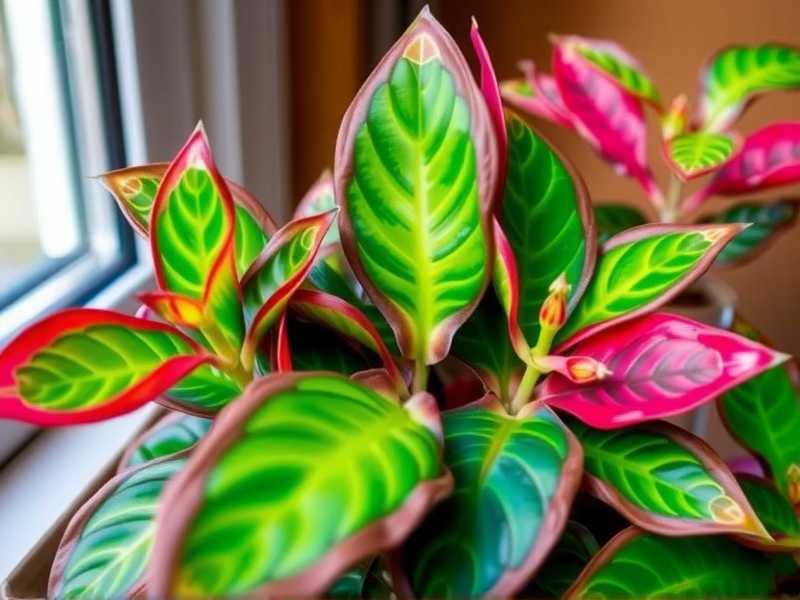
Before we dive into specific problems, let's establish what a healthy Aglaonema craves. Native to the tropical forest floors of Asia, these plants thrive in conditions that mimic their natural understory habitat: bright, indirect light, consistent warmth, and moderate humidity. They prefer their soil to dry out partially between waterings. Keeping these core requirements in mind is key to effective troubleshooting.
Diagnosing and Solving Leaf Problems
The leaves of your Aglaonema are the most accurate billboard for its health. Discoloration, spots, and texture changes are its way of communicating.
Yellowing Leaves: Causes and Cures
Seeing yellow leaves is often the most common alarm bell. The cause typically points to one of two extremes in moisture.
- Overwatering and Root Rot: This is the most frequent culprit. Soggy soil suffocates roots, preventing them from absorbing nutrients and water, which ironically causes leaves to yellow and wilt. To fix this, immediately stop watering. Check the roots by gently removing the plant from its pot. Healthy roots are firm and white or light tan. Rotten roots are mushy, dark, and may smell foul. As noted by horticulturist Jane Smith in The Indoor Plant Journal, "Root rot is a silent killer, but early intervention by trimming damaged roots and repotting in fresh, well-draining soil can save the plant." Trim away all affected roots with sterile scissors and repot into a container with ample drainage holes using a chunky, airy potting mix.
- Underwatering: While less common, consistent dryness can also cause leaves to turn yellow, often starting with the lower, older leaves. They may feel dry and crispy. The solution is simple: establish a more consistent watering routine. Water thoroughly until it runs from the drainage holes, then allow the top inch or two of soil to dry out before watering again.
Brown Leaf Tips or Edges
Crispy brown margins on your plant's elegant leaves are usually a sign of environmental stress.
- Low Humidity: Aglaonemas appreciate moderate humidity. Dry air from heaters or air conditioners pulls moisture from leaf tips. Increase humidity by grouping plants together, placing a pebble tray filled with water near the plant, or using a room humidifier.
- Chemical Sensitivity: These plants can be sensitive to salts, fluoride, and chlorine found in tap water. This buildup can cause tip burn. Try watering with filtered, distilled, or rainwater. Alternatively, you can fill your watering can and let it sit uncovered for 24 hours to allow some chemicals to dissipate.
- Over-Fertilization: Excess fertilizer salts burning the roots manifest as brown leaf edges. Flush the soil by running slow, steady water through the pot for several minutes to leach out excess salts, and reduce your fertilization frequency.
Drooping or Limp Leaves
When your Aglaonema loses its perky posture, it's asking for help.
- Temperature Stress: Aglaonemas dislike drafts and sudden temperature changes. Keep them away from cold windows, air conditioning vents, and heating ducts. They prefer temperatures between 65-80°F (18-27°C).
- Shock from Repotting: It's normal for a plant to droop slightly after being repotted as it adjusts. Ensure it has stable, indirect light and consistent moisture, and avoid fertilizing for a few weeks to let it recover.
Addressing Growth and Pest Issues
Sometimes the problem isn't just the leaves, but a lack of new growth or uninvited guests.
Leggy Growth and Small Leaves
If your plant is becoming stretched with long spaces between leaves (internodes) and the new leaves are small, it's pleading for more light. While Aglaonemas tolerate low light, they truly thrive in bright, indirect light. Move it to a spot near an east or north-facing window, or a few feet back from a south or west window. Avoid direct sun, which can scorch the leaves.
Common Pests: Identification and Organic Control
Even indoors, pests can find your plant. Early detection is critical.
- Spider Mites: Look for fine webbing, especially under leaves, and tiny speckles. Wipe leaves regularly with a damp cloth and treat with insecticidal soap or neem oil.
- Mealybugs: These appear as small, white, cottony masses in leaf axils and on stems. Dab them with a cotton swab dipped in rubbing alcohol to kill them on contact.
- Scale: These look like small, brown, bumpy shells stuck to stems and leaf veins. Scrape them off gently or use horticultural oil to smother them.
For any pest, isolate the affected plant immediately to prevent spread and treat consistently every 7-10 days until the infestation is gone.
Preventative Care: The Best Troubleshooting Strategy
The best way to troubleshoot is to prevent issues from arising. Establish a simple care routine: check soil moisture weekly, clean leaves monthly to allow for efficient photosynthesis, and fertilize sparingly with a balanced, diluted liquid fertilizer only during the active growing season (spring and summer). Choosing the right soil—a well-draining mix with perlite or orchid bark—is a foundational step for long-term health.
Why are the leaves on my Aglaonema losing their variegation and turning mostly green? This is a classic sign of insufficient light. The plant produces more green chlorophyll to maximize energy capture in low-light conditions. Move it to a brighter location with indirect light to encourage the beautiful patterns to return.
How often should I water my Aglaonema? There's no universal schedule. The frequency depends on light, temperature, and pot size. The most reliable method is the "finger test": insert your finger into the soil up to the first knuckle. If the soil feels dry, it's time to water thoroughly. If it's still moist, wait a few more days.
Is my Aglaonema safe for my pets? No. Aglaonemas contain calcium oxalate crystals, which are toxic to cats and dogs if ingested, causing oral irritation and digestive upset. It's best to place this plant in a location inaccessible to curious pets.
By observing your plant closely and responding to its signals, you can quickly correct course. Remember, most Aglaonema care issues stem from water, light, or humidity. Adjust these elements patiently, and your resilient Chinese Evergreen will reward you with a return to vibrant, lush growth. Happy planting





