 bluename
 How to Care for Aglaonema for Optimal Health
You’ve brought home a beautiful Aglaonema, or Chinese Evergreen, charmed by its stunning, patterned leaves. But now, you might be noticing a few yellow leaves, drooping stems, or a general lack of that vibrant glow it once had. You’re not alone. Many plant enthusiasts struggle to translate their care into the lush, thriving plant they envisioned. The secret isn’t constant attention, but rather understanding its simple, non-negotiable needs. This guide will walk you through every step to ensure your Aglaonema doesn’t just survive, but flourishes with optimal health.
Understanding Your Aglaonema’s Origins
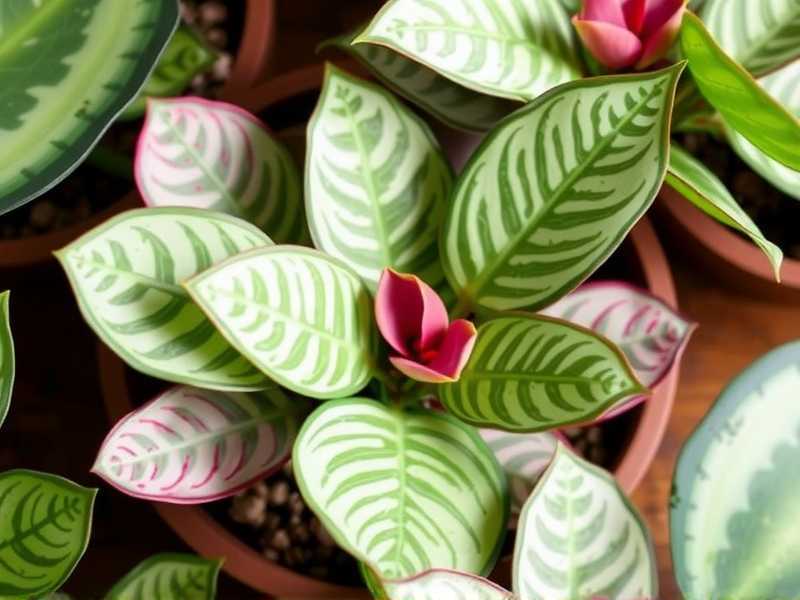
To care for a plant effectively, it helps to know where it comes from. Aglaonema species are native to the tropical forest floors of Asia. This means they are accustomed to dappled sunlight, consistent warmth, high humidity, and soil that is moist but never waterlogged. They are inherently adaptable and forgiving, which is why they are celebrated as excellent low-light houseplants. By mimicking these conditions in your home, you set the stage for success.
The Foundation: Perfecting Light and Location
Light is the most critical factor for maintaining vibrant leaf variegation and steady growth. While Aglaonemas are famous for tolerating low light, “tolerating” is not the same as “thriving.”
- Ideal Light Conditions: Bright, indirect light is the gold standard. A spot near an east or north-facing window is often perfect. Here, your plant will produce more leaves, show more intense colors in its foliage, and maintain a compact, sturdy form.
- Low Light Adaptation: If you only have lower light spaces, fear not. Darker green varieties, like ‘Maria’ or ‘Silver Bay,’ are more adaptable. They will grow slower, which can be an advantage, but ensure they still receive ambient light from a room’s interior.
- Light to Avoid: Never place your Aglaonema in direct, harsh sunlight, especially from a south or west window. This will quickly scorch the leaves, causing pale, bleached, or brown crispy patches.
The Art of Watering: Finding the Balance
Improper watering is the leading cause of Aglaonema health issues. The goal is consistent, moderate moisture.
- The Golden Rule: Water thoroughly only when the top 1-2 inches of soil feel dry to the touch. Insert your finger into the potting mix; if it feels dry at that depth, it’s time to water.
- Watering Technique: Pour water evenly over the soil until it begins to drain freely from the bottom of the pot. This ensures the entire root ball is hydrated. Always empty the saucer or cache pot after 15-20 minutes to prevent “wet feet,” which leads to root rot.
- Signs of Trouble: Yellowing leaves often signal overwatering. Wilting, dry, or crispy leaf edges typically point to underwatering. As horticulturist Jane Smith notes in The Modern Houseplant Manual, “With Aglaonemas, err on the side of underwatering. Their semi-succulent roots can handle drought better than flood.”
Creating a Tropical Atmosphere: Temperature and Humidity
Consistency is key for temperature and humidity to promote optimal health.
- Temperature: Keep your plant in a room between 65°F and 80°F (18°C – 27°C). Avoid placing it near drafty windows, air conditioning vents, or heating radiators, as sudden temperature swings cause stress.
- Humidity: While they adapt to average household humidity (around 40%), they truly appreciate higher levels (60%+). You can increase humidity by grouping plants together, placing the pot on a pebble tray with water, or using a small humidifier nearby. Browning leaf tips can be a sign of air that is too dry.
Soil and Nutrition: The Support System
Your Aglaonema’s roots need the right environment to access water and nutrients.
- The Perfect Potting Mix: Use a well-draining, peat-based potting mix. A standard indoor plant mix amended with perlite or orchid bark for extra aeration works perfectly. This prevents soil compaction and waterlogging.
- Fertilizing for Growth: Feed your plant during the active growing season (spring and summer). A balanced, water-soluble houseplant fertilizer (e.g., 10-10-10) diluted to half-strength once a month is sufficient. Do not fertilize in fall and winter when growth naturally slows. Over-fertilization can damage roots and cause leaf burn.
Routine Maintenance for Lasting Beauty
A little regular upkeep goes a long way in keeping your Aglaonema healthy and visually stunning.
- Pruning and Cleaning: Regularly remove any yellow or dead leaves at the stem base using clean, sharp scissors. This directs energy to new growth. Wipe the broad leaves with a damp cloth every few weeks to remove dust, allowing the plant to breathe and photosynthesize efficiently.
- When to Repot: Aglaonemas like to be slightly root-bound. Repot every 2-3 years in spring, moving to a pot only 1-2 inches larger in diameter. Signs it’s time include roots growing out of the drainage holes or water running straight through the pot without being absorbed.
Troubleshooting Common Aglaonema Problems
Even with great care, issues can arise. Here’s how to diagnose and treat common problems.
- Yellow Leaves: Most often caused by overwatering. Check soil moisture and adjust your schedule. Could also be due to natural aging of lower leaves.
- Brown Leaf Tips/Crispy Edges: Usually a sign of low humidity or underwatering. Increase humidity and check your watering frequency.
- Drooping Leaves: Can indicate either underwatering or overwatering. Assess the soil to determine which.
- Pests: Aglaonemas can occasionally attract mealybugs, spider mites, or scale. Isolate the plant if pests are found. Treat by wiping leaves with insecticidal soap or neem oil solution, repeating weekly until resolved.
Propagation: Sharing the Health
A thriving Aglaonema can easily become more plants. The simplest method is division during repotting. Gently separate a section of the plant that has its own roots and stems, and pot it in fresh soil. You can also propagate from stem cuttings placed in water or moist soil.
Why are the leaves on my Aglaonema losing their variegation and turning mostly green? This is almost always a response to insufficient light. The plant produces more green chlorophyll to maximize light capture in dim conditions. Move it to a brighter spot with indirect light, and new growth should regain its patterned beauty.
Can I put my Aglaonema outside in the summer? You can, but with caution. Place it in a completely shaded, sheltered location where it will receive no direct sun. Monitor watering more closely, as outdoor conditions can dry pots faster. Always bring it back inside well before nighttime temperatures drop below 60°F.
Is the Aglaonema plant toxic to pets? Yes. Like many plants in the Araceae family, Aglaonemas contain calcium oxalate crystals, which can cause irritation of the mouth, tongue, and throat if ingested by cats or dogs. It’s best to keep this plant in a location inaccessible to curious pets.
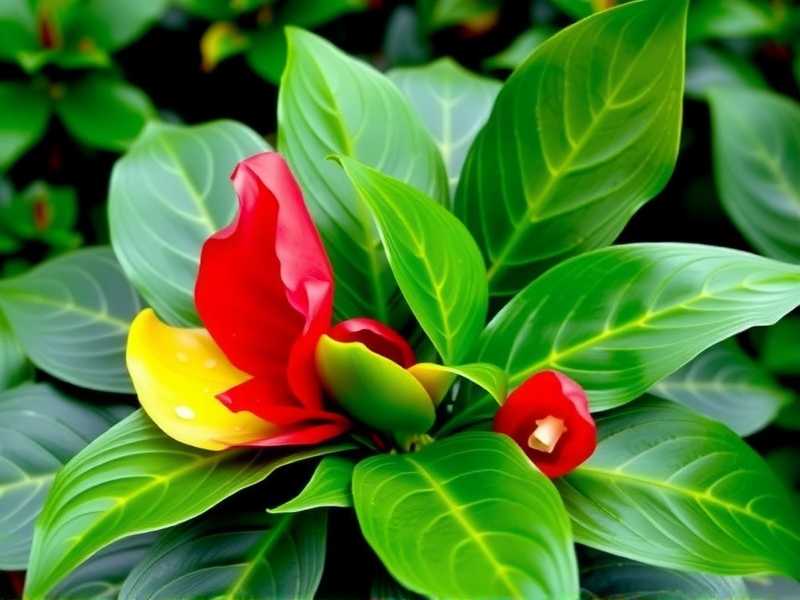
Caring for an Aglaonema is a rewarding practice that connects you to the rhythms of a tropical understory. By providing bright, indirect light, watering with mindful restraint, and offering a warm, humid environment, you create the perfect conditions for resilient growth. Pay attention to its signals—the firmness of its leaves, the color of its stems, the moisture of its soil—and adjust your care accordingly. With these consistent practices, your Chinese Evergreen will reward you with years of lush, air-purifying foliage, proving itself as one of the most dependable and beautiful companions for your indoor space.





