 bluename
 How to Protect Your Aglaonema From Window Drafts: A Plant Parent's Survival Guide
I’ll admit it: I almost lost my favorite Silver Bay Aglaonema to a sneaky, invisible enemy. For weeks, I watched its leaves develop unsightly brown edges and yellow patches. I checked the light, adjusted my watering, and even repotted it, but nothing helped. The plant was clearly stressed. It wasn't until I felt a persistent chill near my favorite plant shelf by the bay window that I identified the culprit: window drafts. That experience launched me on a mission to understand and solve this common yet often overlooked problem. In this guide, I’ll share everything I learned through trial, error, and two weeks of dedicated observation on how to effectively protect your Aglaonema from drafts, ensuring it thrives with the lush, vibrant foliage we all love.
Why Drafts Are a Silent Killer for Aglaonema Plants
Aglaonemas, also known as Chinese Evergreens, are celebrated for their adaptability. They tolerate low light and forgive the occasional missed watering. However, what they cannot abide are sudden and consistent temperature fluctuations. Drafts—whether cold air seeping in from a window in winter or a constant stream from an air conditioning vent in summer—create an environment of stress.
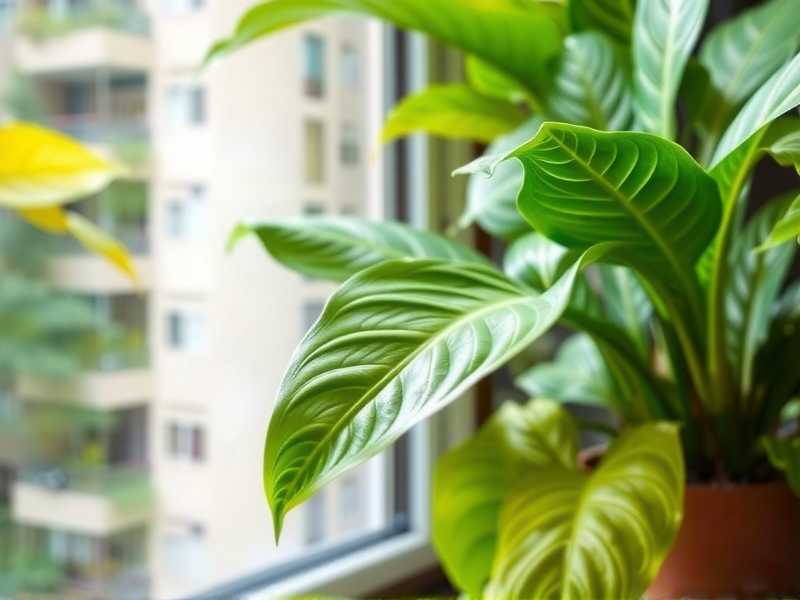
When an Aglaonema sits in a draft, it experiences more than just a chill. The rapid change in temperature and humidity around its leaves forces the plant to work overtime. According to principles of plant physiology cited by resources like the Royal Horticultural Society (RHS), such stress can damage plant cells, disrupt water uptake, and weaken the plant's overall immune system. This makes it far more susceptible to other issues, like pest infestations or root rot. The first signs are often those crispy brown leaf margins or sudden leaf drop. It’s the plant’s silent cry for a more stable home.
My 2-Week Draft Protection Experiment: Steps and Observations
Determined to save my Aglaonema, I designed a simple two-week plan. My goal was to stabilize its microclimate without sacrificing the bright, indirect light it received from the window.
Week 1: Diagnosis and Immediate Action
My first step was confirming the draft's source and severity. I used a simple trick: a lit incense stick. Holding it near the window frames and where my plant sat, I watched the smoke. Near the bottom of the window, it wavered consistently, confirming a cold air leak. The temperature difference between the plant’s spot and the center of the room was a significant 5°F (about 3°C).
- Immediate Relocation: I moved the Aglaonema about 4 feet away from the window, to a spot where the incense smoke rose straight up. This provided an instant buffer from the direct draft.
- The Humidity Boost: Knowing dry, moving air exacerbates the problem, I placed the pot on a large pebble tray filled with water. I also grouped it with my peace lily and pothos. Plants release moisture through transpiration, and grouping them creates a more humid microclimate—a tip often emphasized by indoor plant experts.
- Initial Observation (Days 1-3): The plant looked… the same. No worse, but no better. This was actually a good sign. The decline had halted.
- The First "Gotcha": By Day 5, I noticed the lower leaves were still looking sad. I realized that while I had moved the plant, the cold air was still sinking and flowing across the floor. My Aglaonema, on its stand, was still in the path of this ground-level current.
Week 2: Refinement and Long-Term Solutions
To address the ground draft, I needed a more permanent fix for the window itself.
- Draft-Proofing the Window: I installed a removable, self-adhesive foam weather seal around the interior window frame. This is a low-cost solution recommended for renters and homeowners alike. For a larger gap at the sill, I used a fabric draft stopper (a "draft snake").
- Creating a Plant Shield: I moved the plant back closer to the light, but this time, I placed a large, decorative basket on the drafty side, between the window and the Aglaonema. This acted as a physical barrier, diffusing the direct flow of cold air.
- The Transformation (Days 8-14): This combination worked wonders. By the end of the second week, the most remarkable change was that no new brown edges had appeared on the emerging leaves. The existing damage remained, as it does on most plants, but the new growth was pristine, unfurling with perfect green and silver patterns. The plant just looked… happier. More upright. The soil also seemed to stay moderately moist for longer, as it wasn't being dried out by constant air movement.
Common Mistakes I Made (So You Don't Have To)
My journey wasn't perfectly smooth. Here are the pitfalls I encountered and how I solved them.
- Mistake: Assuming "Away from the Window" Meant "No Light." My first relocation spot was too dark. The Aglaonema started to stretch slightly. Solution: I used a light meter app on my phone to find a spot that maintained "bright, indirect light" levels (around 250-500 foot-candles) while being out of the draft's main path.
- Mistake: Overwatering in Response to Stress. Seeing brown tips, I initially watered more, thinking it was thirsty. This is a classic error. Cold drafts slow water uptake, leaving soil soggy. Solution: I went back to my trusty finger test—watering only when the top 1-2 inches of soil were dry. I also ensured the pot had excellent drainage.
- Mistake: Ignoring the "Micro" in Microclimate. Just moving the plant wasn't enough. The draft found it. Solution: The combination of sealing the window, using a barrier, and employing the pebble tray addressed the air temperature, flow, and humidity around the plant—creating a true protective bubble.
Building a Draft-Proof Environment for Your Chinese Evergreen
Based on my experience, here’s your actionable plan to protect Aglaonema from cold window drafts and other airflows.
1. Conduct a Thorough Draft Audit Don't guess. Use the incense test or the back of your hand to feel for air movement around your windows, doors, and AC vents at different times of day. Check your plant's location from top to bottom.
2. Choose the Right Relocation Strategy Distance is your friend. A minimum of 3-4 feet from a drafty window is a good rule. If you must keep it near the window for light, employ barriers. A sheer curtain can diffuse light and slow air movement. A shelf with sides or other plants can act as a buffer.

3. Implement Draft Sealing Solutions For windows, consider removable weatherstripping, thermal curtains, or even a clear window insulation film kit. These can dramatically reduce heat loss and stop drafts at the source, which is good for your plants and your energy bill—a point often made in home efficiency guides.
4. Stabilize Humidity and Temperature Aglonemas prefer humidity above 50%. A pebble tray, a regular misting routine (avoiding the late evening), or a small humidifier nearby can counteract the drying effect of any remaining air movement. Try to keep the room temperature consistently above 65°F (18°C).
5. Monitor and Adapt Your job isn't done after moving the plant. Observe it for two weeks. Is new growth healthy? Is the soil drying at a consistent rate? Adjust your strategies with the seasons, as winter brings colder drafts and summer may bring AC vents into play.
How do I know if my Aglaonema has draft damage and not another issue? Draft damage typically presents as sudden, localized browning or yellowing, often on the side of the plant facing the draft or on the leaf margins. It appears quickly after a cold spell or the start of AC use. In contrast, overwatering causes more widespread yellowing, often starting with lower leaves, and underwatering leads to overall crispy, brown leaves.
Can I just use a heat lamp or space heater near my drafty window? I would advise against placing a heater directly aimed at your plant. This can create an overly dry, hot microclimate and lead to scorching or extreme dehydration. It's better to gently raise the overall room temperature and eliminate the draft itself than to blast the plant with hot air.
My Aglaonema has brown tips from past draft damage. Should I cut them off? You can trim the brown tips off with clean, sharp scissors, following the natural shape of the leaf. However, the damaged tissue will not heal. Focus on providing perfect care going forward; the proof of your success will be in the flawless new leaves that grow in. Patience is key.
Protecting your Aglaonema from window drafts is less about having a green thumb and more about being a thoughtful home detective. It’s about observing the unseen currents of air in your home and creating a stable, gentle haven for your plant. By identifying the draft source, creating a buffer, and stabilizing the humidity, you can turn a stressed, declining plant back into the resilient, beautiful centerpiece it’s meant to be. The reward is in watching those bold, new leaves unfurl—perfect and unblemished—knowing you’ve cracked the code to a happier, healthier Chinese Evergreen.





