 bluename
 How to Care for Aglaonema in Window Sills: A Real-World Guide from a Fellow Plant Lover
I’ve killed my share of houseplants. There, I said it. The dream of lush, vibrant greenery on my sunny window sills often ended in crispy, yellowed leaves or, worse, a sad, mushy stem. My quest for a beautiful, low-maintenance plant that could actually thrive in that prime real estate led me to the Aglaonema, or Chinese Evergreen. But even this “easy” plant had me puzzled when placed directly on a window sill. Was it getting too much sun? Why were the colors fading? Through trial, error, and two weeks of dedicated observation, I cracked the code. This guide is my firsthand account of how to care for Aglaonema in window sills, sharing the exact steps, the mistakes I made, and the solutions that transformed my struggling plant into a window sill superstar.
Understanding Your Window Sill: It’s More Than Just “Sunny”
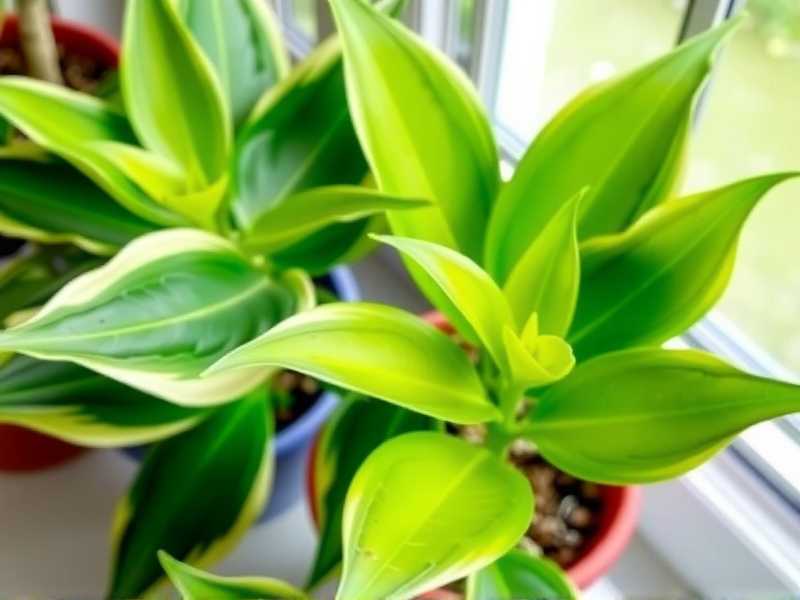
Before you even buy the plant, you must become a detective of your own space. Not all window sills are created equal. I learned this the hard way after placing a gorgeous red Aglaonema ‘Siam Aurora’ on a blazing south-facing sill, only to watch its stunning colors bleach within days.
The Critical Factor: Light Direction
- North-Facing Windows: These offer consistent, gentle, indirect light. For deep green varieties like Aglaonema ‘Maria’, this can be perfect. My ‘Maria’ thrived here with zero signs of stress.
- East-Facing Windows: My personal favorite. They provide soft, direct morning sun and bright indirect light for the rest of the day. This is the goldilocks zone for most variegated Aglaonemas, like ‘Silver Bay’ or ‘Pink Valentine’.
- South-Facing Windows: Intense, direct light for most of the day. This is often too harsh. My ‘Siam Aurora’ here suffered from leaf scorch. The fix? I used a sheer curtain as a filter, which instantly diffused the light and created an ideal environment.
- West-Facing Windows: Similar to south, with strong afternoon sun that can be particularly hot. Sheer curtains are again a must-have here.
A Simple Two-Week Light Test Don’t guess. I conducted a simple test: I placed a piece of white paper on the sill at the brightest time of day. Then, I held my hand about a foot above it.
- Crisp, defined shadow: Too much direct sun. Use a filter.
- Soft, fuzzy shadow: Ideal bright, indirect light.
- Barely visible shadow: Low light. Only suitable for the darkest green varieties.
I monitored my plants over two weeks, rotating them slightly each day to ensure even growth and watching for signals. Pale, washed-out leaves meant too much light; leggy growth and small new leaves signaled too little.
The Step-by-Step Window Sill Aglaonema Care Routine
Once you’ve matched your plant to the window, this routine will keep it flourishing.
1. The Perfect Watering Rhythm (My Biggest Pitfall) Window sills can create microclimates. The sun warms the pot, drying the soil faster than a plant in the room’s interior, but only sometimes. My mistake was watering on a schedule (every Sunday!). One week, the soil was bone dry; another, it was still damp.
The Foolproof Method I Now Swear By: I ditch the calendar. Every 3-4 days, I simply stick my finger about 2 inches into the soil. If it feels dry, I water thoroughly until it runs out the drainage holes (non-negotiable!). If it’s moist, I walk away. During my two-week observation in an east-facing window in spring, my Aglaonema needed water exactly every 5 days. The Royal Horticultural Society (RHS) emphasizes this “finger test” method, stating it prevents the root rot that plagues more houseplants than drought.
2. Humidity: The Invisible Necessity Windows, especially near drafts or heaters, can be zones of low humidity. I noticed the leaf tips on my Aglaonema ‘Cutlass’ starting to brown slightly. The air was too dry.
My Effective, Low-Effort Solutions:
- The Pebble Tray: I placed the pot on a shallow tray filled with pebbles and water. As the water evaporates, it boosts humidity right around the plant. Simple and effective.
- Grouping Plants: I clustered my Aglaonema with a few other plants. Their collective transpiration creates a beneficial microclimate.
- Occasional Misting: While not a long-term solution, a light morning mist during very dry spells helped. Experts at the American Horticultural Society (AHS) note that while misting offers temporary relief, methods like pebble trays provide more consistent humidity.
3. Feeding and Soil: Building a Strong Foundation A plant on a bright sill grows more actively and needs nutrients. I use a balanced, water-soluble houseplant fertilizer diluted to half-strength. My rule: feed only during the active growing season (spring and summer) and only when the soil is already damp to avoid root burn. I did this at the start of my two-week experiment and saw a noticeable push of new, healthy growth by the end.
The soil must be well-draining. A standard potting mix amended with perlite or orchid bark is perfect. It holds moisture but lets excess water escape quickly, which is crucial for growing Aglaonema on sunny windows.
Troubleshooting Common Window Sill Problems
Even with the best care, issues pop up. Here’s what I faced and fixed.
Problem: Leaves Losing Variegation or Turning Pale. This was my ‘Siam Aurora’ issue. The vibrant red and green was fading. Cause: Too much direct sun was breaking down the chlorophyll and pigments. Solution: I immediately moved it back from the glass and added a sheer curtain. Within two weeks, the new leaves emerging showed a return to richer color.
Problem: Brown, Crispy Leaf Edges or Tips. My ‘Cutlass’ signaled this. Cause: A combination of low humidity and, I discovered, inconsistent watering. Solution: I implemented the pebble tray and recommitted to the finger-test watering method. Further browning stopped.
Problem: Leaves Yellowing, Particularly Lower Leaves. I panicked when I saw this. Cause: This can be overwatering, but in my window sill context, it was also a natural process. As the plant grew taller towards the light, the oldest, lowest leaves sometimes yellowed and dropped. Solution: I checked the soil. It wasn’t soggy, so I simply pruned the yellow leaves to keep the plant tidy and direct energy to new growth. This is part of maintaining healthy Aglaonema plants in bright spots.
FAQ: Your Quick-Answer Guide
Can all Aglaonema varieties live on a window sill? Not all. Deep green, low-light varieties (like Aglaonema ‘Maria’) will scorch on a bright sill. Save the sunnier spots for variegated types (like ‘Silver Bay’, ‘Pink Valentine’). Always research your specific cultivar’s light needs.
How often should I rotate my window sill Aglaonema? I make a habit of giving the pot a quarter-turn every time I water. This prevents the plant from leaning or “reaching” aggressively towards the light source, ensuring symmetrical, upright growth.
What’s the biggest threat to a window sill Aglaonema? Sudden temperature extremes. Keep leaves from touching cold glass in winter, and be wary of hot, direct sun magnified through the glass in summer, which can literally cook the leaves. A sheer curtain is your best defense.
Caring for an Aglaonema on a window sill is a joyful practice of observation and slight adjustment. It’s about partnering with the plant and your unique home environment. By understanding the light, mastering the watering touch, and providing a hint of extra humidity, you can turn that tricky spot into a thriving display. The resilience and beauty of these plants are their gift to you; a little mindful care is your gift to them. Start with the hand-shadow test, embrace the finger-in-soil method, and watch your window sill transform.





