 bluename
 How to Slow Down Overgrown Aglaonema Growth: A Plant Lover's Practical Guide
There's a unique frustration that comes with a plant problem born from too much success. Your Aglaonema, that beautiful Chinese Evergreen, was once a compact, bushy tabletop delight. Now, it’s leggy, sprawling, and threatening to take over a corner of the room. You love its vibrant leaves, but its unchecked growth has become a real headache. If you're wondering how to slow down overgrown Aglaonema growth and reclaim a manageable, beautiful plant, you're not alone. I've been there, staring at my own 'Silver Bay' that seemed to grow a new leaf every other day. Through trial, error, and a dedicated two-week experiment, I found effective, sustainable strategies that work. This guide is born from that hands-on experience, complete with the mistakes I made and the solutions that finally brought things under control.
Understanding the "Why" Behind the Rapid Growth
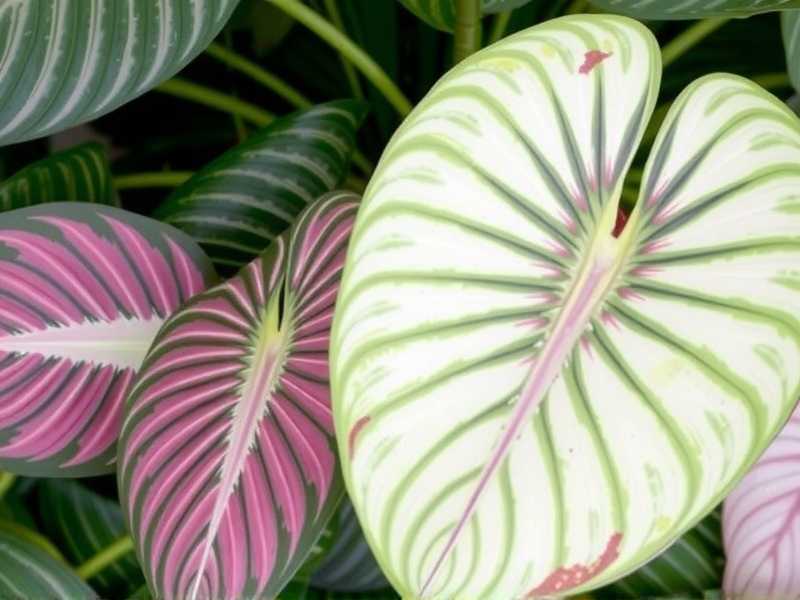
Before we can apply the brakes, we need to understand the accelerator. Aglaonemas are naturally vigorous growers under the right conditions. My overgrown specimen was simply telling me it was extremely happy—or, in some cases, subtly stressed and reaching for something. The key to slowing growth lies in strategically adjusting these very factors.
- Light: The Primary Engine. This was my biggest "aha!" moment. My Aglaonema sat in a bright, indirect light spot near an east-facing window. It was thriving, almost too well. The Royal Horticultural Society (RHS) notes that while Aglaonemas tolerate low light, they grow fastest and most densely in bright, indirect light. To slow growth, I needed to dial this back.
- Nutrition: Less is More. I had been on a strict "feed every other watering" schedule during the growing season, following a general houseplant fertilizer label. This constant buffet was fueling its expansion. The American Horticultural Society (AHA) emphasizes that foliage plants like Aglaonema have relatively modest feeding needs and that over-fertilization can lead to soft, weak growth—often accompanied by excessive size.
- Pot Size: The Root of the Issue. A quick check confirmed my suspicion: roots were circling the bottom of the pot. A pot that's too large gives roots endless room to expand, which signals the plant to produce more foliage up top. Conversely, being slightly root-bound can naturally limit growth.
My Two-Week Plan to Slow Aglaonema Growth
I committed to a 14-day regimen, observing changes daily. The goal wasn't to harm the plant but to gently guide it into a slower, more sustainable growth pattern.
Week 1: The Adjustment Phase
I started with the most impactful change: light.
- Step 1: Relocating for Gentle Light. I moved my Aglaonema about 8 feet back from the east-facing window, to a spot where it still received ambient daylight but no direct sun rays. The light was noticeably dimmer but still sufficient for the plant to maintain its health. I was careful not to shove it into a dark corner, as sudden extreme low light can cause shock and leaf drop.
- Step 2: The Fertilizer Pause. I completely halted all fertilization. For the next two weeks and beyond, I planned to use only plain, filtered water. This immediately cut off the extra nutrient supply.
- Observation & The First Hiccup: By Day 3, I noticed the plant seemed stable. No new leaves were emerging at the frantic pace I was used to. However, by Day 5, I observed a slight downward tilt on a few of the outermost, older leaves. This was my first "pitfall." I worried I had reduced light too drastically. After checking the soil (which was moist), I realized the plant was simply reorienting its leaves to catch more light in its new position. This was a normal adjustment, not a sign of distress. I resisted the urge to move it back immediately.
Week 2: Refinement and Pruning
The growth had visibly slowed. No new shoots had appeared. Now it was time to address the existing overgrown form.
- Step 3: Strategic Pruning for Better Form. Simply slowing future growth wasn't enough; I needed to fix the leggy look. Using sterilized, sharp pruning shears, I targeted the longest, most bare stems. I made my cuts about an inch above a leaf node (the bump on the stem where leaves and new growth emerge). This wasn't a drastic chop—I removed about 30% of the longest growth. Pruning redirects the plant's energy from vertical sprawl to potentially filling out from the base or the remaining stems.
- Step 4: Watering with Restraint. I adjusted my watering to a "true need" basis. Instead of watering on a schedule, I waited until the top 2-3 inches of soil were completely dry, which now took nearly twice as long due to the reduced light and growth activity. Slightly drier soil conditions further encourage the plant to focus on maintaining existing roots rather than explosive new growth.
- Observation & Results: After the prune, the plant instantly looked more compact and balanced. Over the next seven days, the cut stems showed no signs of new growth (a good sign, as it meant energy was being conserved). The older leaves stopped their downward tilt and stabilized. Crucially, the vibrant variegation on the leaves did not fade, confirming the light level, while lower, was still adequate. The mission to slow down overgrown Aglaonema growth was succeeding.
Long-Term Maintenance for Controlled Growth
The two-week experiment provided a blueprint for ongoing care.
- The Sweet Spot for Light: I found my Aglaonema's happy medium—a spot with consistent, filtered light, away from the prime real estate right by the window. This is now its permanent home.
- A New Feeding Philosophy: I will resume fertilizing, but only at half-strength, and only once a month during the peak growing season (spring and summer). In fall and winter, I'll stop entirely.
- Watering Wisdom: The "soak and dry" method is now my rule. I water deeply only when the soil is dry well below the surface, promoting a resilient root system that isn't constantly pushing for more.
- When to Consider Potting: I will not repot this plant into a larger container for at least another 1-2 years. Letting it become moderately root-bound is a legitimate, gentle way to naturally limit its size. If I do repot eventually, I'll only go up one pot size (an increase of about 1-2 inches in diameter).
Addressing Your Aglaonema Concerns
- Will these methods hurt my plant? Not if done gradually. The goal is moderation, not deprivation. Drastically moving a plant to deep shade or starving it of all nutrients will cause harm. My approach focuses on subtle reductions in the factors that fuel excessive growth. My plant remains healthy, just less frantic.
- My Aglaonema is already very tall and leggy. What should I do first? Start with a strategic prune. This gives you immediate cosmetic improvement and reduces the plant's overall energy demands. Then, implement the light and feeding adjustments to slow down the regrowth from the pruning points. You can also propagate the stem cuttings you pruned to create new, compact plants.
- Can I use growth regulators to stop Aglaonema growth? While chemical growth inhibitors exist, they are rarely recommended or necessary for home growers. They can have unintended side effects and are a short-term fix. The cultural methods I've outlined—managing light, nutrients, and pot size—are safer, more sustainable, and give you greater control over your plant's long-term health and form.
Slowing an overgrown Aglaonema is a lesson in mindful plant care. It’s about listening to what the plant’ explosive growth is telling you and making thoughtful, incremental adjustments. By reducing light intensity, pausing the fertilizer, watering with purpose, and using careful pruning, you can transform a space-hogging specimen back into a cherished, manageable houseplant. The beauty of the Aglaonema is in its lush, full foliage, not its unruly sprawl. With these steps, you can ensure it remains a beautiful focal point, perfectly proportioned for your space.





