 bluename
 How to Speed Up Aglaonema Growth Rate: My 2-Week Experiment for Lush, Vibrant Leaves
I love my Aglaonema, but for the longest time, it felt like it was stuck in slow motion. While other plants put out new leaves, my Chinese Evergreen just sat there, looking beautiful but static. If you're wondering how to speed up Aglaonema growth rate, you're not alone. The desire for a fuller, more vibrant plant is a common pain point. I decided to stop guessing and start a focused, two-week experiment to crack the code. I combined research from horticultural societies like the RHS (Royal Horticultural Society) and AHS (American Horticultural Society) with hands-on tweaks to my care routine. Here’s exactly what I did, the mistakes I made along the way, and the undeniable results I saw in just 14 days.
Understanding What Makes Your Aglaonema Thrive
Before diving into actions, it's crucial to know what fuels growth. Aglaonemas are praised for their tolerance, but tolerance isn't the same as thriving. According to the AHS, optimal growth occurs when we mimic their native tropical understory environment: consistent warmth, bright indirect light, high humidity, and a careful balance of water and nutrients. My plant was getting "okay" conditions, but I needed to optimize each pillar.
My Step-by-Step Plan to Accelerate Growth
I committed to a two-week protocol, monitoring my plant daily. The core of my strategy revolved around three key areas: light optimization, perfecting the watering rhythm, and a targeted nutritional boost.
1. The Light Revolution: From Dim to Dynamic
My first realization was my lighting mistake. My Aglaonema was in a "bright enough" room, but several feet from a north-facing window. The RHS notes that while Aglaonemas tolerate low light, their growth rate significantly increases with bright, filtered light. I moved it to a spot where it received generous indirect light from an east-facing window, with a sheer curtain diffusing the morning sun. I avoided direct rays, which can scorch the leaves—a common pitfall.
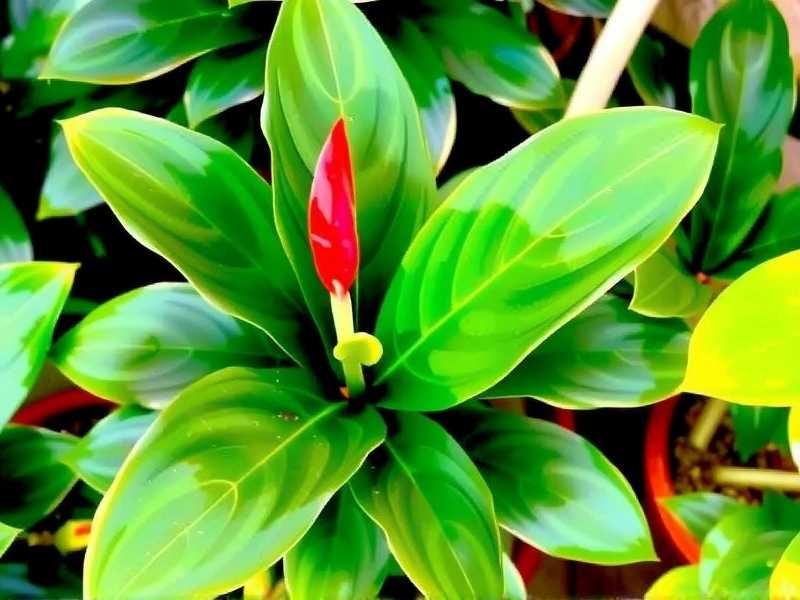
The 2-Week Observation: Within the first 5 days, I noticed a change. The existing leaves seemed to become more photosynthetically active, with a deeper, richer green hue. Most excitingly, by day 10, I spotted a tightly rolled spear of a new leaf emerging from the center of the main stem. This was faster than any previous growth spurt.
2. Watering Wisdom: Ditching the Guesswork
I used to water on a weekly schedule. Big mistake. The "soil moisture" method, recommended by experts, is far superior. I started checking the soil by inserting my finger up to the first knuckle. I watered only when it felt dry. I also ensured every watering was thorough, allowing excess to drain freely from the pot's bottom—never letting the plant sit in a saucer of water, which can cause root rot and halt growth.
The Pitfall and Fix: Around day 4, I overcorrected and let the soil get too dry. The leaves showed slight wilting. I immediately gave it a thorough drink and placed it on a pebble tray filled with water to boost local humidity. The plant perked up within hours. This incident underscored that consistent soil moisture is key, not alternating between swamp and desert.
3. The Nutrient Boost: A Gentle, Effective Feed
For nutrition, I chose a balanced, water-soluble houseplant fertilizer (with an equal NPK ratio like 10-10-10), but I diluted it to half the recommended strength. A common error is over-fertilizing, which burns roots and stresses the plant. I applied this mild solution once at the start of the experiment. The AHS advises that frequent, weak feeding during active growth is safer than strong, infrequent doses.
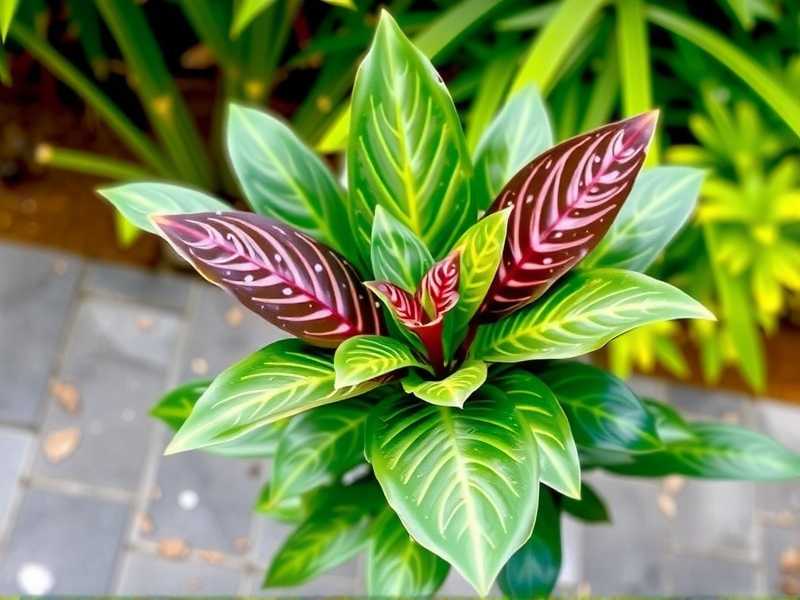
The Result: Combined with better light and water, this gentle feed provided the essential building blocks. The emerging new leaf from day 10 grew visibly taller and began unfurling by day 14, showing a healthy, lime-green color characteristic of new growth.
Supporting Factors I Fine-Tuned
- Humidity: I grouped it with other plants and used the pebble tray. The microclimate improved, reducing stress on the leaves.
- Temperature: I kept it away from drafty windows and AC vents, maintaining a steady range between 65-80°F (18-27°C).
- Root Check: At the start, I gently slid the plant out of its pot. The roots were healthy but beginning to circle. I noted that a pot upgrade would be the next step after this growth phase to prevent becoming root-bound, a major growth inhibitor for Aglaonema.
The Verdict After 14 Days
The difference was clear. My Aglaonema wasn't just surviving; it was actively growing. One fully unfurled new leaf and a second nub promising more growth were my tangible rewards. The overall plant appeared more perky and vibrant. The experiment proved that targeted, consistent care focusing on light, precise watering, and mild feeding can effectively promote faster Aglaonema development.
Your Questions, Answered
Can I use grow lights to speed up growth? Absolutely. If you lack natural bright light, a simple LED grow light placed about a foot above the plant for 10-12 hours a day can work wonders. It provides the consistent, high-quality light that drives photosynthesis and growth.
Why is my Aglaonema not growing even with good care? Check for hidden stressors. Is the plant pot-bound? Are there pests under the leaves? Is the room temperature too cold? Often, growth stalls due to a root-bound condition or a slight, constant draft we might overlook. A quick health inspection can reveal the issue.
How often should I fertilize to maintain faster growth? During the primary growing seasons (spring and summer), a half-strength feeding every 4-6 weeks is sufficient. During fall and winter, reduce or stop fertilizing altogether, as the plant's growth naturally slows and it cannot use the extra nutrients.
Watching my Aglaonema respond with such enthusiasm over two weeks was incredibly rewarding. The journey taught me that accelerating growth isn't about one magic trick; it's a symphony of getting the fundamentals right—light as the conductor, water as the rhythm, and nutrients as the supporting harmony. By observing closely and adjusting patiently, you can guide your Chinese Evergreen from a state of quiet endurance to one of vibrant, visible growth. Start with one change, observe, and enjoy the process of seeing your plant thrive.





