 bluename
 How to Care for Aglaonema After Pruning: My 2-Week Recovery Guide
You’ve just given your beloved Chinese Evergreen a much-needed trim. It looks tidier, but now a wave of anxiety hits. Is that cut stem going to rot? Why are the remaining leaves looking a bit sad? Will it ever grow back fuller, or have you accidentally doomed your favorite houseplant? I’ve been there. That moment of post-pruning doubt is real. Through trial, error, and a lot of patient observation, I’ve learned that how to care for Aglaonema after pruning isn’t just a follow-up—it’s the critical phase that determines whether your plant thrives or merely survives.
In this guide, I’ll walk you through my exact, step-by-step process, born from years of tending to these resilient yet sometimes fussy beauties. I’ll share the mistakes I made, the simple fixes that saved my plants, and the detailed changes I documented over a focused two-week recovery period. Let’s turn that pruning stress into lush, confident new growth.
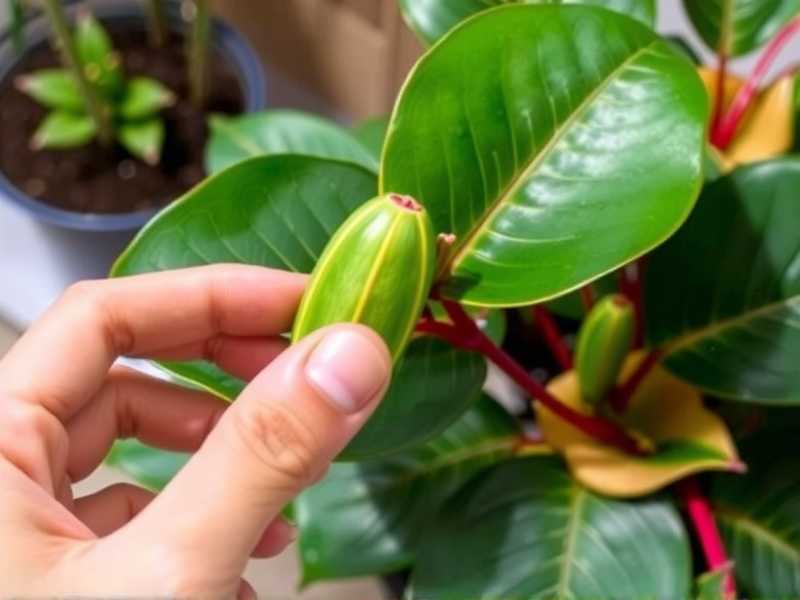
Why Post-Pruning Care is Non-Negotiable
Pruning is a controlled injury. We do it to encourage bushier growth, remove damage, or control size. But every cut is an open wound, a potential entry point for disease, and a shock to the plant’s system. The Royal Horticultural Society (RHS) emphasizes that proper aftercare is essential for minimizing stress and preventing die-back. Your Aglaonema’s immediate needs shift. It’s not about fueling rapid growth right away; it’s about supporting healing and stabilization.
Ignoring this phase can lead to stem rot, stalled growth, or leaf yellowing—issues often mistaken for poor pruning technique when they’re really about the care that followed.
My Step-by-Step Aftercare Protocol (The First 48 Hours Are Key)
Here’s the exact routine I follow from the moment I put my pruning shears down.
Immediate Action: The First Hour
First, I clean up. I remove all fallen leaf debris from the soil surface. This prevents fungal spores from having a party at my plant’s expense. Next, I assess the cuts. I use sharp, sterilized scissors, but I always double-check. A clean, angled cut heals faster than a ragged, crushed one. If I see any frayed edges, I make a quick, clean re-cut.
My biggest early mistake? Watering immediately. I assumed the plant was stressed and needed a drink. This is a trap. Wet soil combined with fresh wounds increases the risk of bacterial and fungal infections at the cut sites. The American Horticultural Society (AHS) advises against heavy watering immediately after pruning, as the plant’s reduced foliage temporarily slows water uptake.
The Right Environment for Healing
For the first week, I become a helicopter plant parent. I move my pruned Aglaonema to a spot with bright, indirect light. Direct sun will scorch the leaves and add dehydration stress. A north or east-facing window is perfect. I also ensure the room is consistently warm—between 70-80°F (21-27°C). Drafts from air conditioners or cold windows are a major setback.
Humidity is my secret weapon. Aglaonemas love moderate to high humidity, and maintaining it is crucial for post-pruning recovery. I use a small humidifier nearby, set to around 60%. In a pinch, I’ll place the pot on a pebble tray filled with water. This stable, humid microclimate reduces moisture loss from the remaining leaves and supports the plant’s internal healing processes.
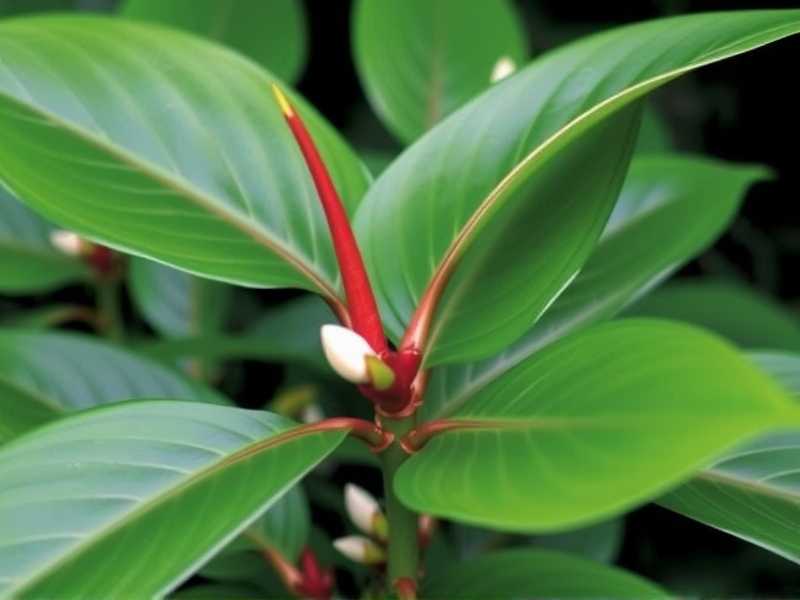
The Watering Balancing Act
This is where I’ve stumbled most. My old habit was to keep the schedule. Now, I let the soil be my guide. I insert my finger about two inches deep. I only water when that layer feels completely dry. During the first week after pruning, this often means I water less frequently than before, as the plant has less foliage transpiring water.
The goal is to keep the roots lightly moist but never soggy. Overwatering is the fastest way to cause root rot, which a stressed plant is less equipped to fight off. I always use room-temperature water to avoid shocking the roots.
To Feed or Not to Feed?
I withhold all fertilizer for at least 4-6 weeks after pruning. This was a hard lesson. I once gave a diluted feed a week after a trim, hoping to boost growth. Instead, I got brown leaf tips and a lethargic plant. A pruned plant’s energy is directed toward healing, not producing new leaves. Fertilizing too soon can burn the tender new roots that may begin to form and force growth the plant isn’t ready to support.
My 2-Week Observation Diary: What Actually Happens
I decided to document a Silver Bay Aglaonema’s recovery meticulously. Here’s the timeline of what I saw.
Days 1-3: The plant looks a bit bare, but stable. No visible changes. The cut stem ends are callousing over—they look dry and slightly sealed. I’m vigilant about my watering check.
Days 4-7: Here’s where I spotted my first “uh-oh.” One of the lower, older leaves on a pruned stem started to yellow slightly. Panic? Not anymore. I’ve learned this is normal. The plant is reallocating resources from older, less efficient leaves to support healing and new growth points. I gently removed the yellowing leaf once it was mostly yellow.
Days 8-10: The magic begins. At the nodes just below where I made my cuts, tiny, pointed bumps appear. These are bud swellings. This is the first sign of promoting new growth on pruned Aglaonema. The plant has successfully healed its wounds and is now directing energy to create new stems. The existing leaves look perky and firm.
Days 11-14: The bumps have elongated into proper little shoots! A couple of new leaves are even beginning to unfurl from the base of the plant. The recovery is in full swing. The plant has fully adapted to its new form and is actively growing again. I continue my careful watering and stable environment routine.
The Pitfalls I Encountered and How I Solved Them
The Dreaded Stem Rot: Once, a few days after pruning, I noticed a cut stem was soft, mushy, and dark, not dry and calloused. I had gotten water on the cut and the humidity was too high without airflow. Solution: I used a sterile knife to cut back the stem well below the soft, rotten area, into firm, healthy tissue. I left the wound completely dry. I also improved air circulation around the plant with a gentle fan on low, away from the plant, to prevent stagnant air.
The “Shocked” Droop: After a heavy pruning, all the remaining leaves drooped dramatically for two days. I thought it was a death sentence. Solution: I realized the root-to-leaf ratio was suddenly off—the roots were still absorbing water for a larger amount of foliage. I ensured the soil was evenly moist (not wet), misted the leaves lightly, and upped the humidity. The leaves firmed back up within 48 hours as the plant adjusted.
No New Growth After Weeks: This happened when I pruned in late fall. The plant just sat there. Solution: I learned about dormancy. Aglaonemas slow down in lower light and cooler temperatures. I had to be patient. I moved it to a brighter spot (with grow light supplementation) and waited for spring. Growth resumed naturally with the season. Timing your pruning for the active growing season (spring/summer) is crucial for a speedy comeback.
Expert Insights for Optimal Recovery
I don’t just rely on my own experience. I align my practices with expert guidance. The RHS consistently advises making cuts just above a leaf node or bud, as this is where the growth hormones are concentrated, directly supporting the goal of encouraging bushier Aglaonema growth. The AHS highlights the importance of tool sterilization to prevent transmitting diseases from plant to plant, a step that’s even more critical when dealing with open wounds.
Combining this authoritative advice with hands-on, attentive care is what builds true expertise and plant success.
How long does it take for an Aglaonema to show new growth after pruning? In ideal conditions (warm, humid, bright indirect light during the growing season), you can see bud swellings in 7-14 days, with new leaves unfurling within 3-4 weeks. In less ideal conditions or during dormancy, it may take 2 months or more. Patience and consistent care are key.
Should I use rooting hormone on the cuts? For pruning where you are simply cutting back stems on the plant, rooting hormone is not necessary or recommended. It’s designed for stimulating root growth on detached cuttings, not for healing cuts on an established plant. Focus on providing a healthy environment instead.
Can I propagate the stems I cut off? Absolutely! Those pruning scraps are perfect for propagation. Ensure each cutting has at least one node. You can root them in water or a moist potting mix. This way, your pruning session not only rejuvenates the original plant but can also give you several new baby Aglaonemas.
Watching your Aglaonema bounce back after a prune is one of the most rewarding experiences in plant care. It’s a testament to the plant’s resilience and your ability to provide the right support. Remember, the core of success lies in the details: resisting the urge to overwater or over-fertilize, providing that stable, humid environment, and interpreting your plant’s signals. Forget the rigid schedules and listen to what the soil and leaves are telling you. By following this mindful approach, you’ll not only navigate the recovery period smoothly but will also be rewarded with a healthier, fuller, and more vibrant plant than you started with. Your pruned Aglaonema isn’t just recovering—it’s preparing for its best growth yet.





