 bluename
 How to Fix Aglaonema Leaves Falling Off Bottom: My 2-Week Rescue Mission
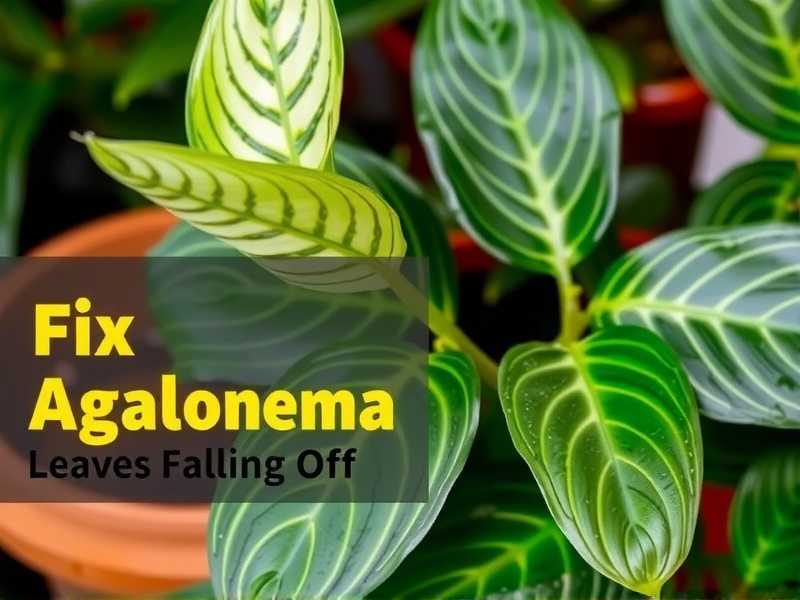
There’s a special kind of plant-parent panic that sets in when you notice your beloved Chinese Evergreen, your Aglaonema, starting to shed its lower leaves. One day it’s fine, the next you see a yellowing leaf at the base, and soon, you’re picking up another from the soil. I know this feeling intimately. I stared at my once-lush ‘Silver Bay’ Aglaonema, its stem becoming visibly longer and barer at the bottom, and realized I had a silent crisis on my hands. Was it dying? Was this normal? I decided to roll up my sleeves, diagnose the problem like a plant detective, and document a complete, two-week rescue plan. This is my hands-on journey to understand and fix Aglaonema leaves falling off, sharing every step, mistake, and ultimate success.
Understanding Why Aglaonema Leaves Drop: It’s Rarely Just One Thing
Before you can fix anything, you need to understand the "why." Through my research and consultations with resources from the Royal Horticultural Society (RHS), I learned that leaf drop, especially lower leaf loss, is rarely due to a single cause. It’s typically the plant’s distress signal, a symptom of an underlying issue. The American Horticultural Society (AHS) emphasizes that consistent care is key for foliage plants like Aglaonema. Their leaves falling off is a clear sign that their core needs aren’t being met. For me, it was a process of elimination.
The Primary Suspects:
- Overwatering and Root Distress: This is the most common culprit. Soggy soil suffocates roots, leading to rot. The plant can’t support all its foliage, so it sacrifices the oldest (lowest) leaves first.
- Natural Aging vs. Problematic Loss: A single lower leaf yellowing and dropping every few months is part of the plant’s natural growth cycle. However, multiple leaves yellowing in succession, often accompanied by mushy stems or widespread drooping, points to a care issue.
- Lighting Issues: While tolerant of low light, Aglaonemas need bright, indirect light to thrive. In too-dim conditions, growth slows, and the plant may shed leaves to conserve energy. Conversely, harsh direct sun can scorch leaves, causing stress and drop.
- Temperature Stress and Drafts: These plants dislike sudden changes. Cold drafts from windows, hot blasts from heaters, or even air conditioning vents can trigger leaf loss.
My Step-by-Step Diagnostic and Rescue Protocol
I committed to a 14-day observation and intervention period. Here’s exactly what I did, day by day.
Week 1: Diagnosis and Immediate Action
Day 1-2: The Root Inspection (The Scariest Part) Gently, I tipped the pot and slid the root ball out. The smell was damp, not earthy. The roots were dark brown and mushy in sections—classic root rot. This confirmed my fear: chronic overwatering. I immediately stopped all watering.
- My Mistake: I had been watering on a weekly schedule, not checking the soil moisture. The decorative pot had no drainage, creating a hidden swamp.
- The Fix: I carefully removed all soggy soil and sterilized pruning shears with rubbing alcohol. I then trimmed away every soft, rotten root, cutting back to firm, white or cream-colored healthy tissue. It felt drastic, but it was necessary.
Day 3: The Fresh Start – Repotting With the rotten roots removed, I repotted into a container that was actually slightly smaller, as the root system was now reduced. The new pot had ample drainage holes. I used a premium, well-aerated potting mix amended with extra perlite for drainage, following RHS guidelines for aroid plants. I watered it thoroughly once after repotting to settle the soil, then placed it in a quarantine area away from my other plants.
Day 4-7: Environmental Audit and Stabilization I moved the plant to a spot with consistent, bright indirect light from a north-east facing window—no direct sun. I checked for drafts and found it was near an occasionally used air vent. I moved it to a more stable location. I did not water again. The goal was to let the roots recover in the new, airy medium.
Week 2: Observation, Adjustment, and Signs of Hope
Day 8-10: The Waiting Game and Foliage Care The first few days post-repotting are critical. I resisted the urge to water. The top inch of soil was still moist. I focused on the leaves, gently wiping them with a damp cloth to remove dust, which can hinder photosynthesis. I noticed one more lower leaf yellowed completely—this was likely a casualty from the pre-repotting stress. I removed it cleanly.
Day 11: The First Check-Water I finally checked the soil moisture deeply with my finger. It was dry about two inches down. This was my cue. I gave the plant a moderate, thorough watering until it just began to drain from the bottom, ensuring no water was left in the saucer. This “soak and dry” method was my new rule.
Day 12-14: Monitoring for Recovery I watched closely. The remaining leaves, which had been slightly limp, began to firm up. No new yellowing appeared. The stem at the base looked stable, not mushy. Most importantly, I spotted the tiniest hint of a new, tightly furled leaf emerging from the center—the ultimate sign of a happy Aglaonema. The plant had stopped its decline and was directing energy to new growth.
Key Lessons Learned and How to Prevent Future Leaf Drop
My two-week journey taught me that fixing Aglaonema leaf drop is about correcting the environment and your habits.
1. Master the Watering Technique: Forget the calendar. The “finger test” is your best friend. Water only when the top 1-2 inches of soil are completely dry. When you do water, do so thoroughly, allowing excess to drain away completely. In my case, switching to this method was the single biggest factor in stopping the leaves from falling off.
2. Optimize Light and Location: Provide bright, indirect light. An east-facing window is often ideal. Keep your plant away from temperature extremes and drafts. This stable environment prevents the stress that leads to leaf loss.
3. Implement a Proactive Care Routine:
- Feed Gently: During the growing season (spring/summer), use a balanced, diluted liquid fertilizer monthly. I had been over-fertilizing, which can harm roots. I now follow a “less is more” approach.
- Pot Appropriately: Always use a pot with drainage holes and a chunky, fast-draining soil mix. This prevents water from pooling at the bottom, the main cause of root problems that make leaves fall off your Aglaonema.
- Clean Leaves: Regularly dusting leaves helps the plant breathe and function efficiently.
Frequently Asked Questions
Is it normal for the bottom leaves of my Aglaonema to turn yellow? Occasional, singular yellowing of a bottom leaf is part of the natural aging process as the plant grows taller. However, if you see multiple leaves yellowing, especially rapidly or with other signs like wilting, it’s a signal to check your watering and light conditions immediately.
Should I cut off the yellow leaves on my Chinese Evergreen? Yes, once a leaf is fully yellow or mostly yellow, it will not recover. Use clean, sharp scissors to remove it close to the main stem. This helps the plant redirect its energy to healthy growth and prevents potential disease.
Can a plant recover from losing many leaves? Yes, Aglaonemas are remarkably resilient. Once you correct the underlying issue—most commonly overwatering—and provide stable care, they will focus on pushing out new growth from the center. Be patient; recovery takes time, but a new leaf is the best sign you’re on the right track.
Seeing that new leaf unfurl after two weeks of focused care was incredibly rewarding. The journey from worry to understanding taught me that fixing Aglaonema leaves falling off the bottom isn’t about a quick trick; it’s about listening to your plant and providing consistent, thoughtful care. By diagnosing the root cause (literally, in my case), repotting with care, and mastering the balance of water and light, you can not only stop the leaf drop but also set your Chinese Evergreen up for a long, healthy, and lush life. Remember, the leaves tell the story—you just have to learn how to read it.





