 bluename
 How to Care for Aglaonema in Hydroponics: A Beginner's Guide from My 2-Week Experiment
I love my Chinese Evergreen plants, or Aglaonema, for their stunning, patterned leaves and legendary resilience. But like many indoor gardeners, I’ve struggled with the guesswork of soil—overwatering one week, underwatering the next. The promise of how to care for Aglaonema in hydroponics seemed like the perfect solution: a cleaner, more controlled method that could eliminate those common pitfalls. So, I decided to convert one of my mature Aglaonema ‘Silver Bay’ plants to a full hydroponic system and document everything over two weeks. What followed was a journey of learning, a few unexpected hiccups, and ultimately, a thriving plant that has made me a true believer in Aglaonema hydroponic care.
Why Choose Hydroponics for Your Aglaonema?
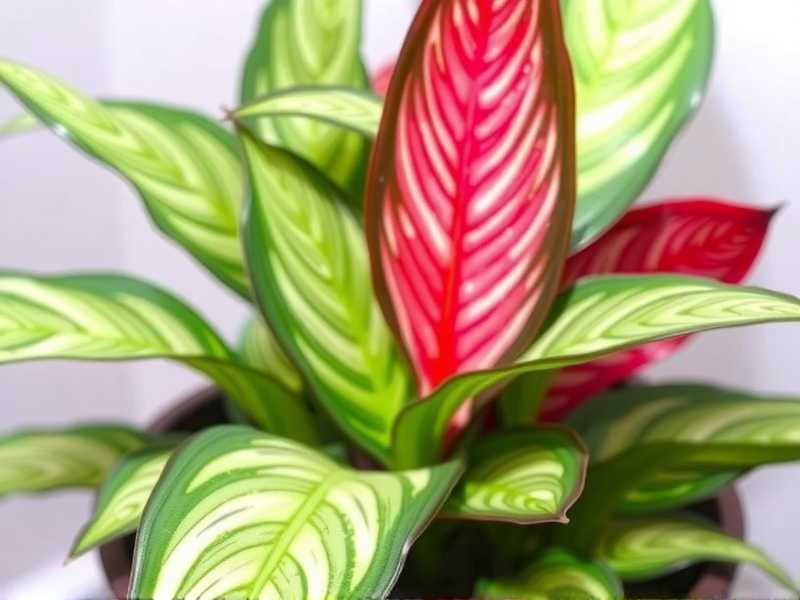
If you’re tired of fungus gnats, inconsistent moisture, and the mess of soil, you’re not alone. Hydroponics addresses these pain points directly. By providing water, oxygen, and nutrients directly to the roots in an inert medium, you give the plant exactly what it needs, precisely when it needs it. According to principles often cited by horticultural authorities like the Royal Horticultural Society (RHS), controlled environments can significantly reduce stress from watering issues. For Aglaonema, which is prone to root rot in soggy soil, this is a game-changer. My goal was to leverage this method for healthier growth and, frankly, less maintenance worry.
Getting Started: What You'll Need for Hydroponic Aglaonema
Before you begin, gathering the right supplies is crucial for success. Here’s what I used:
- A Healthy Aglaonema Plant: I chose a robust ‘Silver Bay’ with no signs of pests or disease.
- A Hydroponic Vessel: A simple, opaque glass jar to block light and prevent algae growth.
- Inert Growing Medium: I opted for LECA (Lightweight Expanded Clay Aggregate). It’s porous, provides excellent aeration, and is reusable.
- Hydroponic Nutrient Solution: A balanced, water-soluble formula for foliage plants. I used a standard one with an NPK ratio close to 3-1-2.
- pH Testing & Adjustment Kit: This was my later, crucial addition after hitting a snag.
- Clean Water: Filtered or distilled water is best to avoid mineral buildup.
My Step-by-Step Conversion Process
Step 1: Preparing the Plant Gently, I removed the Aglaonema from its pot. The next part is vital: thoroughly washing all the soil from the roots under lukewarm running water. This must be done delicately to avoid breaking too many roots. I spent a good 15 minutes ensuring not a speck of soil remained, as any leftover organic matter can decay and foul your water system.
Step 2: Setting Up the Hydroponic System I filled the bottom third of my clean jar with a pre-soaked LECA clay pebbles. Then, I positioned the plant’s clean roots over this layer, carefully spreading them out. Holding the plant in place, I poured more LECA around the base to anchor it, ensuring the crown (where the stems meet the roots) was above the wet line.
Step 3: The Initial Nutrient Bath Following the nutrient bottle’s instructions for a “maintenance” dose (half-strength for transition), I mixed the solution. Here was my first oversight: I used tap water and didn’t check the pH. I poured the solution into the jar until it reached just below the root crown, ensuring the LECA would wick moisture up while the crown stayed dry to prevent rot.
The First Week: Observation and My First Big Mistake
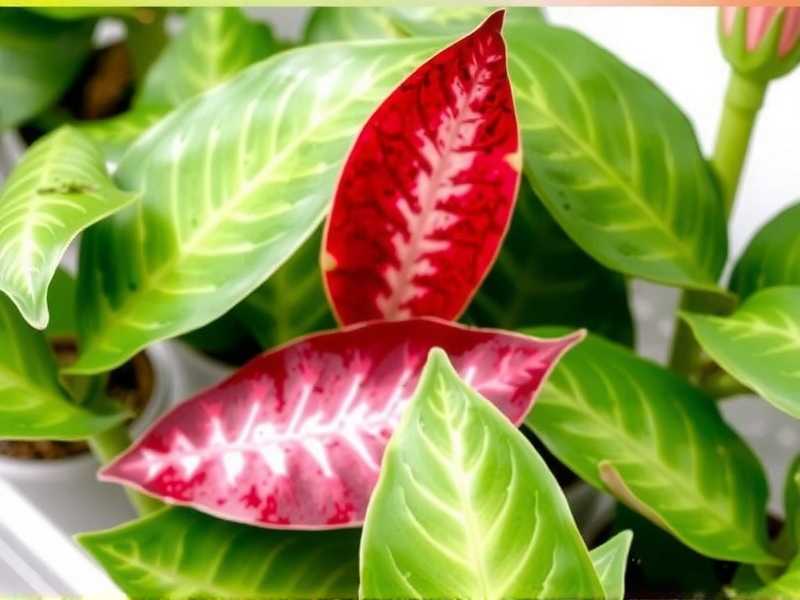
The first few days were promising. The plant showed no signs of wilting or shock. However, by day 5, I noticed the very tips of a few leaves developing a slight brown crispiness. Alarm bells rang—was this transplant shock or something else? Upon researching, I learned that maintaining Aglaonema in water culture is highly dependent on water quality and pH. The American Horticultural Society (AHS) notes that most plants absorb nutrients optimally in a slightly acidic pH range. I tested my reservoir’s pH, and it was at 7.8—quite alkaline for my tap water interacting with the nutrients and LECA. This high pH was likely locking out essential nutrients like iron, causing those telltale brown tips.
The Fix: I immediately changed the reservoir solution. This time, I used filtered water, mixed a fresh half-strength nutrient batch, and adjusted the pH down to 6.0 using my pH down kit. I made a note to check pH weekly.
Week Two: Recovery and Robust Growth
After correcting the pH, the plant’s condition stabilized. No new browning appeared. More excitingly, by day 12, I spotted several bright, new white root tips emerging among the older, soil-grown roots! This was the clearest sign of successful adaptation. The existing leaves looked glossier, and one new spear was beginning to unfurl. The plant was not just surviving; it was actively thriving in its new soilless setup for Chinese Evergreen.
Ongoing Care Schedule and Key Learnings
Based on my two-week experiment and continued care, here is the simple routine I now follow:
- Nutrient Solution: Refresh every 14-21 days. I use a full-strength solution now, but always pH-adjusted.
- pH Checks: I test and adjust the pH to 5.8-6.2 every time I refresh the solution and once in between. This is non-negotiable.
- Water Level: I let the reservoir drop to about 1/4 full before topping up with plain, pH-adjusted water. This ensures oxygen cycles to the roots.
- Light & Cleaning: I keep it in bright, indirect light (its preferred spot) and rinse the entire system—jar, LECA, and roots—with water every 2-3 months to prevent salt buildup.
The biggest lesson? Hydroponic growing of Aglaonema isn’t “set and forget.” It replaces the guesswork of watering with the precise science of nutrient and pH management. The control you gain is incredible, but it requires attention to these new parameters.
Frequently Asked Questions
Can I propagate Aglaonema directly in hydroponics? Absolutely. In fact, it’s simpler. I’ve since taken a stem cutting, placed it in a small vase with just water (no nutrients initially), and watched it root. Once the roots were a few inches long, I transferred it to LECA with a weak nutrient solution. It adapted seamlessly.
Why are the leaves on my hydroponic Aglaonema turning yellow? Yellowing can have a couple of causes. The most common in hydroponics is nutrient-related—either an overdose (nutrient burn) or a deficiency. My experience points to checking pH first, as an imbalance locks out nutrients. Also, ensure you’re not leaving the root crown submerged, as this can still cause stem issues.
How often should I change the water completely? Don’t just keep topping it off. I do a complete reservoir change with fresh nutrient solution every 2-3 weeks. This prevents the accumulation of waste minerals and keeps nutrient concentrations balanced, which is key for long-term Aglaonema health in hydroponic systems.
Transitioning my Aglaonema to hydroponics was a rewarding project that demystified the process. The initial hurdle with pH taught me more about plant nutrition than years of casual soil gardening had. Now, with its vibrant new growth and pristine white roots visible through the glass, this plant is a centerpiece. It stands as proof that with a little setup and understanding of water chemistry, anyone can master hydroponic care for these beautiful, forgiving plants. The result is a healthier plant and a far more engaged and informed plant parent.





