 bluename
 How to Fix Aglaonema Reinfestation of Pests: My Battle-Tested, Two-Week Recovery Plan
I thought I had won. After weeks of spotting tiny webs and yellowing leaves on my beloved Aglaonema ‘Silver Bay’, I’d treated it with insecticidal soap, wiped every leaf, and declared victory. But just a few weeks later, the pests were back—seemingly stronger and more widespread. If you’re reading this, you likely know that sinking feeling all too well. How to fix Aglaonema reinfestation of pests isn’t about a one-off spray; it’s a strategic, persistent campaign. My journey from frustration to a thriving, pest-free plant took a dedicated two-week protocol, and I’m here to guide you through every step, including the mistakes I made so you can avoid them.
The core of reinfestation lies in a simple, brutal truth: most treatments only kill adult pests or visible nymphs, leaving eggs and larvae untouched in the soil, leaf sheaths, and hidden crevices. To truly break the cycle, you must attack on all fronts with patience and consistency.
Understanding Your Enemy: Common Aglaonema Pests
Before you can win the war, you need to identify the enemy. Aglaonema are most susceptible to sap-sucking pests that thrive in indoor conditions.
Spider mites are my personal nemesis. They’re nearly invisible but leave telltale fine stippling (tiny yellow dots) and delicate webbing, especially under leaves. Mealybugs look like tiny tufts of white cotton, hiding in leaf axils and stem joints. Scale insects appear as small, brown, bumpy shells stuck to stems and the undersides of leaves. Thrips and aphids are less common but can cause similar stippling and distortion.
The Royal Horticultural Society (RHS) emphasizes that correct identification is crucial, as some treatments are more effective against specific pests. A magnifying glass became my best friend during this process.
My Two-Week, Zero-Tolerance Treatment Protocol
This isn’t a quick fix. It’s a disciplined routine designed to interrupt the pest life cycle at every stage. I committed to this for a full 14 days, and the transformation was remarkable.
Week 1: The Aggressive Eradication Phase
Day 1-2: Isolation and Initial Assault First, I immediately quarantined my afflicted Aglaonema. This is non-negotiable to protect your other plants. I then took it to the shower and gave it a gentle but thorough lukewarm rinse to dislodge as many adults and eggs as possible. Let the plant drain completely.
My big mistake here the first time? I used a spray bottle. The force was insufficient. The shower’s broader pressure was far more effective.
Next, I prepared my treatment solution. Based on research from resources like the American Horticultural Society (AHS), I opted for a homemade insecticidal soap. I mixed 1.5 teaspoons of pure castile soap with 1 quart of water in a spray bottle. With the plant now in a bathtub, I drenched every single surface—top and bottom of every leaf, every stem, and the soil surface—until it was dripping. I carefully wiped the leaves with a soft cloth to remove any stubborn pests, paying special attention to the central growth point where pests love to hide.
Day 3-4: Soil Treatment and Repeat Foliar Spray Pests live in the soil. Ignoring this was my previous critical error. For this, I used a systemic insecticide granule containing imidacloprid, applying it to the soil as directed. This gets absorbed by the roots, making the plant itself toxic to sap-sucking pests for several weeks. It’s a powerful, long-term shield.
Important: Always read and follow label instructions precisely. I also repeated the foliar insecticidal soap spray on Day 4 to catch any newly hatched pests.
Day 5-7: Introduction of Natural Predators To bolster my defense, I introduced a biological control: predatory mites (Amblyseius californicus) for my spider mite issue. I ordered them online and released them onto the plant as instructed. They are harmless to the plant and work tirelessly to consume pest eggs and larvae. This step added a sustainable, self-regulating layer to my anti-reinfestation strategy.
Week 2: The Vigilant Observation and Consolidation Phase
Day 8-10: Inspection and Spot Treatment I put my magnifying glass to daily use. I inspected every leaf, especially the undersides. I found a few surviving mealybugs in a tight leaf sheath. Instead of re-spraying the whole plant, I used a cotton swab dipped in 70% isopropyl alcohol to dab each one directly. This targeted approach minimizes stress on the plant.
Day 11-14: Environmental Correction and Monitoring Pests exploit weak plants. I reviewed my Aglaonema’s care:
- Light: I moved it to a spot with brighter, indirect light to boost its vigor.
- Watering: I allowed the top inch of soil to dry out completely, as overwatering stresses roots and attracts pests.
- Humidity: I started regularly misting around (not directly on) the plant. Spider mites detest humid conditions. A pebble tray also helped.
By the end of Week 2, all visible pest activity had ceased. New growth was emerging clean and healthy, without any signs of stippling or distortion. The plant looked stronger than it had in months.
Preventing Future Aglaonema Reinfestations
The battle is won, but the war is ongoing. Prevention is your permanent garrison.
Routine Inspection is now a weekly habit for all my plants. I look under leaves and at stem junctions during regular watering. Quarantine New Plants for at least two weeks before introducing them to your collection. I learned this the hard way after bringing in an infested fern. Optimize Plant Health with consistent care—proper light, appropriate watering, and light fertilization during the growing season. A healthy Aglaonema is its own best defense.
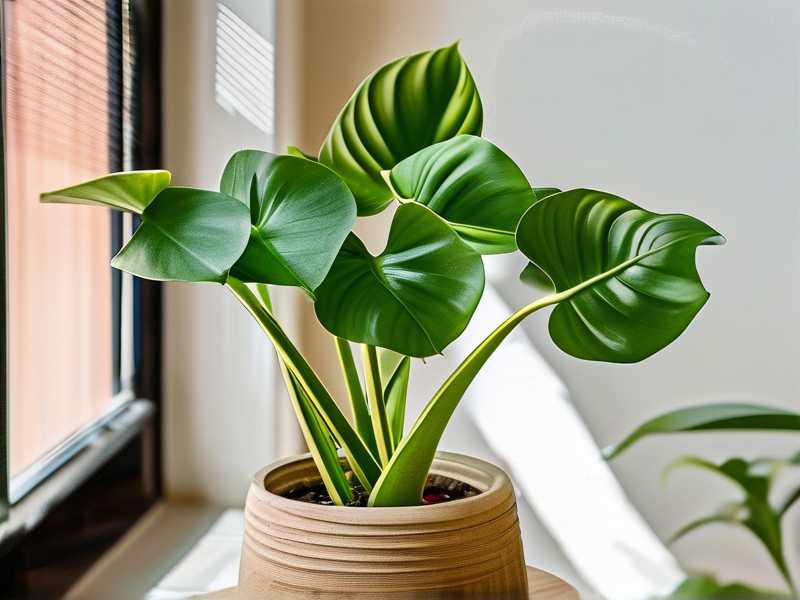
Finally, maintain a clean environment. I regularly wipe down the leaves of my pest-free Aglaonema with a damp cloth to remove dust, which can attract mites and hinder the plant’s ability to photosynthesize.
How often should I treat my Aglaonema for pests during the initial phase? During the initial two-week eradication protocol, a foliar spray application every 3-4 days is typically necessary to break the reproductive cycle. Consistency is far more important than the strength of the solution.
Are systemic insecticides safe to use indoors on houseplants? When used exactly according to the product label, systemic granules are considered safe for indoor use. They are applied to the soil and taken up by the plant, minimizing airborne exposure. Always keep them out of reach of children and pets.
My Aglaonema’s leaves are damaged from the pests. Will they recover? Leaves that are heavily stippled, yellowed, or scarred will not return to their original appearance. The plant’s energy will go into producing new, healthy growth. You can prune the most severely damaged leaves at the base of the stem once the plant is stable and pest-free to improve its appearance and redirect energy.
Seeing your Aglaonema struggle with a persistent pest problem is disheartening, but it is a solvable challenge. The key is shifting your mindset from a single treatment to a multi-pronged, sustained campaign that addresses pests at every life stage and corrects the environmental factors that invited them in. By combining immediate physical removal, consistent treatment, soil-level defense, and optimized long-term care, you can not only fix the current reinfestation but also build a resilient environment where your Aglaonema can thrive, pest-free, for years to come. The effort of those two weeks gave me back a healthier, more beautiful plant and the confidence to protect it.





